Waking up to what can only be described as many people battering the hell out of an iron pot with hammers; I surfaced and walked to the bus station, hoping to catch one to Hampi. On the way I was harassed by a wide variety of different auto-rickshaw drivers.
They have the ‘Minidor’ variety here which, despite the name, actually means that they are larger than the average auto-rickshaw. The ‘Minidor’ refers to the fact that it is a smaller, mini version of the ‘Matador’.
It was very easy to get the bus from Hospet to Hampi, and taking only 30 minutes it was one of the quicker bus rides I have taken lately. I passed hundreds of boulders that appear to have been placed by a very patient giant. There are literally so many of them balanced on points and sitting at all angles:, if I hadn’t to have driven past I wouldn’t actually be able to imagine that rocks that big could balance so very well naturally.
A little bit of history about Hampi taken from the Lonely Planet:
Hampi and its neighbouring areas find mention in the Hindu epic Ramayana as Kishkinda, the realm of the monkey gods. In 1336, Telugu prince Harihararaya chose Hampi as the site for his new capital Vijayanagar, which – over the next couple of centuries- grew into one of the largest Hindu empires in Indian History. By the 16th Century, it was a thriving metropolis of about 500,000 people, its busy bazaars dabbling in international commerce, brimming with precious stones and merchants from faraway lands. All this, however, ended in a stroke in 1565, when a confederacy of Deccan sultanates razed Vijayanagar to the ground, striking it a death blow from which it never recovered.
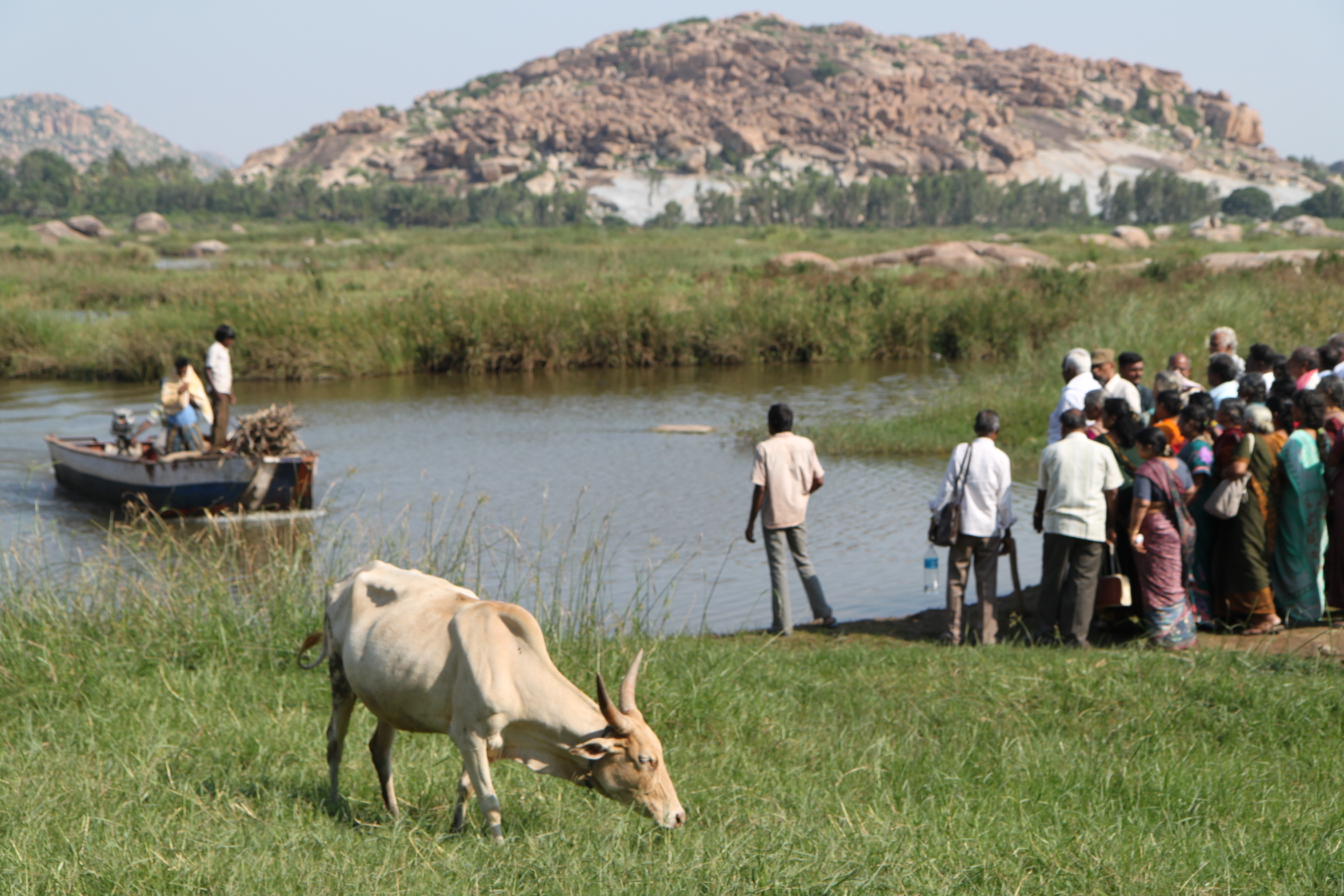
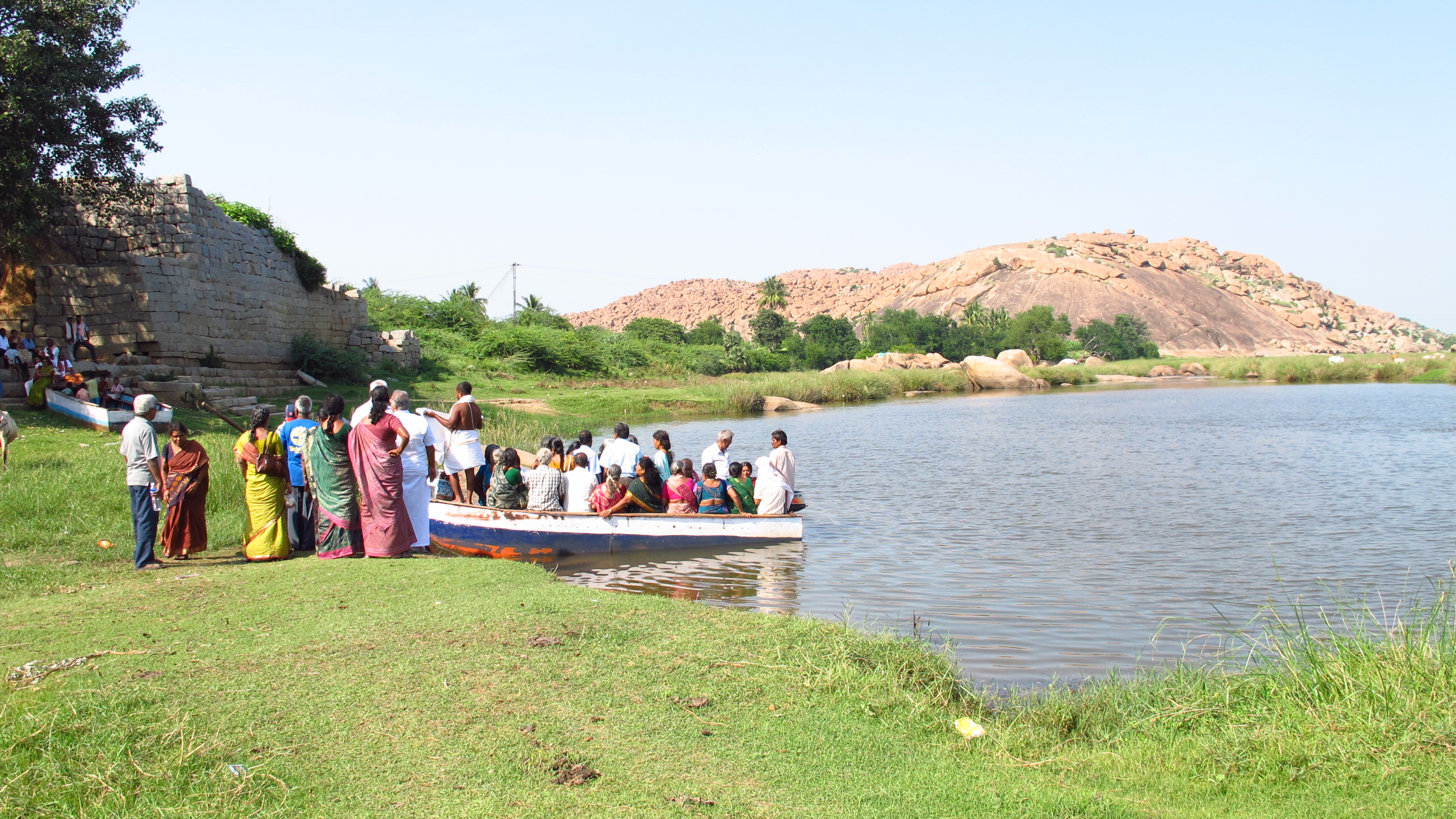
I had picked a guesthouse across the river just outside of Hampi, in Virupapur Gaddi, so I was required to get a boat. This did in fact end up being a Coracle, a boat shaped like a huge contact lens, made from what looked like banana palm leaves and bamboo covered in tar. It meant that everyone wanting to get into it had to get in in a certain order and position ourselves so that we didn’t tip the floater over as we got into it!
I must say that when I saw the tiny floating cup coming across the river, I just assumed that it was a little man from a little farm using whatever he could find to get him and his family across the river. Little did I know that I would soon be in it! It certainly was an adventure; however, I didn’t manage to get a photo of it.
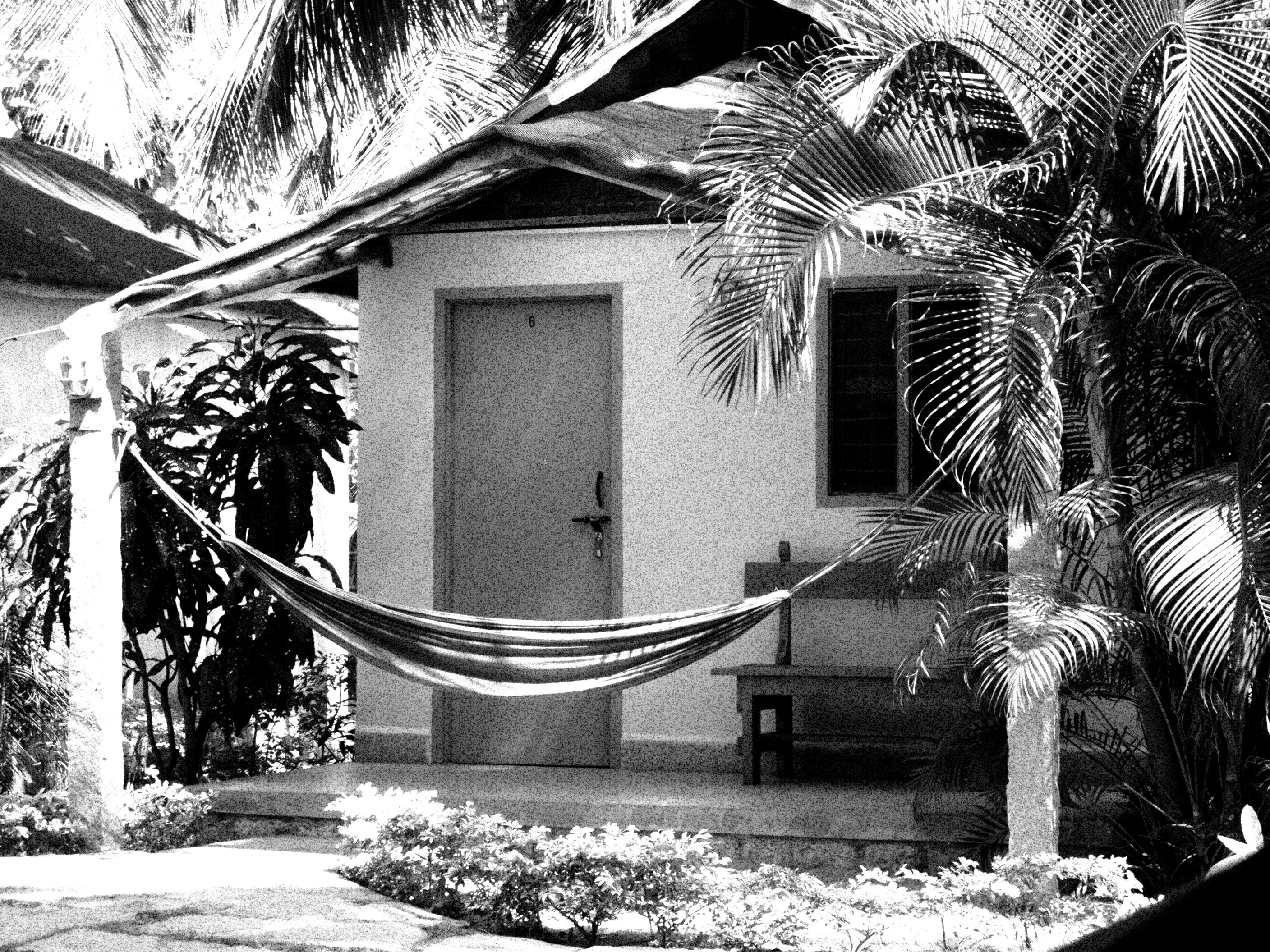
Once across I ambled up the hill and towards the chosen guesthouse ‘Hema Guest House’. Arriving there, I was pleasantly surprised to find that it is amazing. There are little brick/concrete huts painted in bright colours that each have hammocks outside…and at ₨450 is one of the cheaper places that I have stayed.
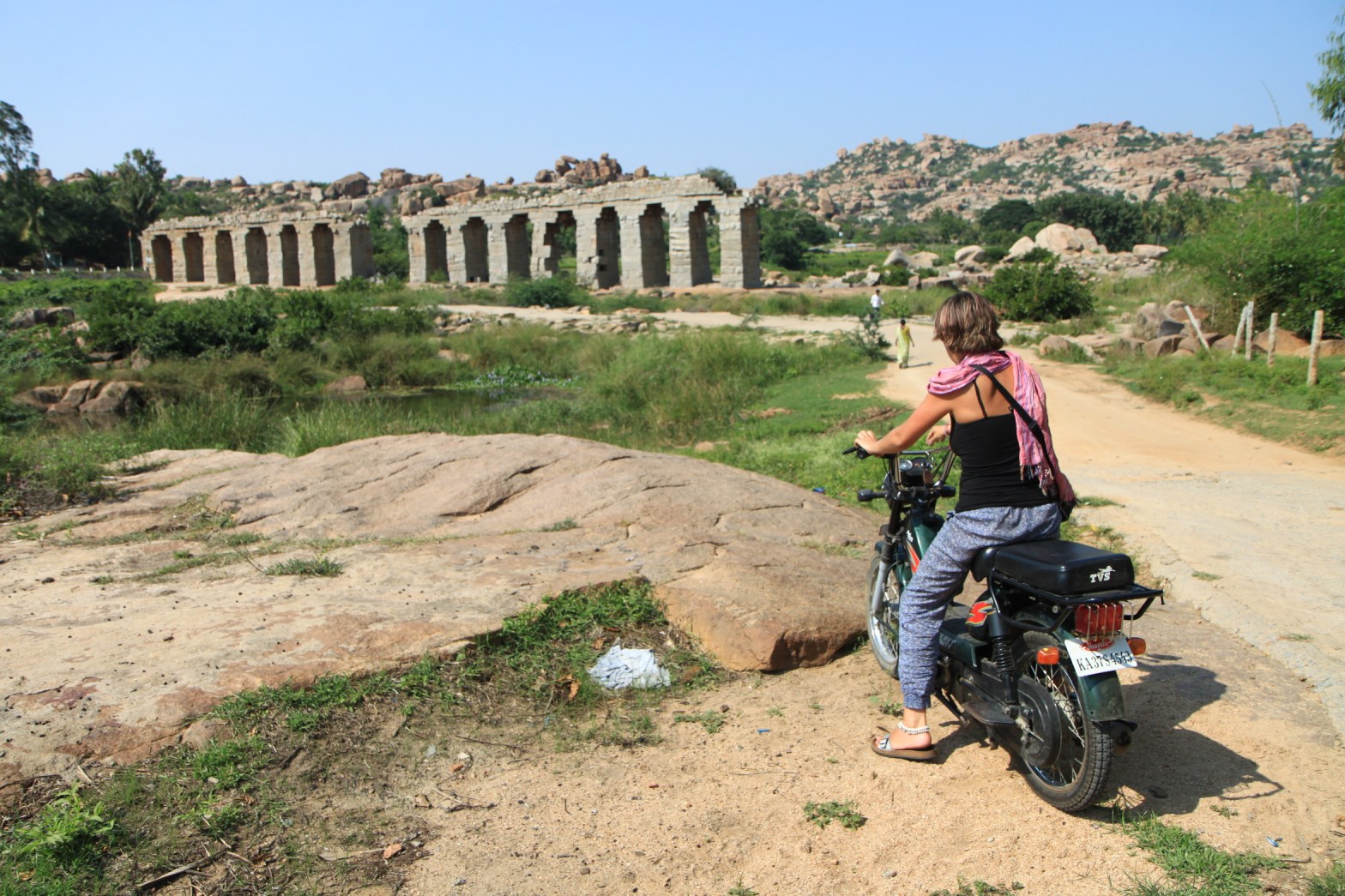
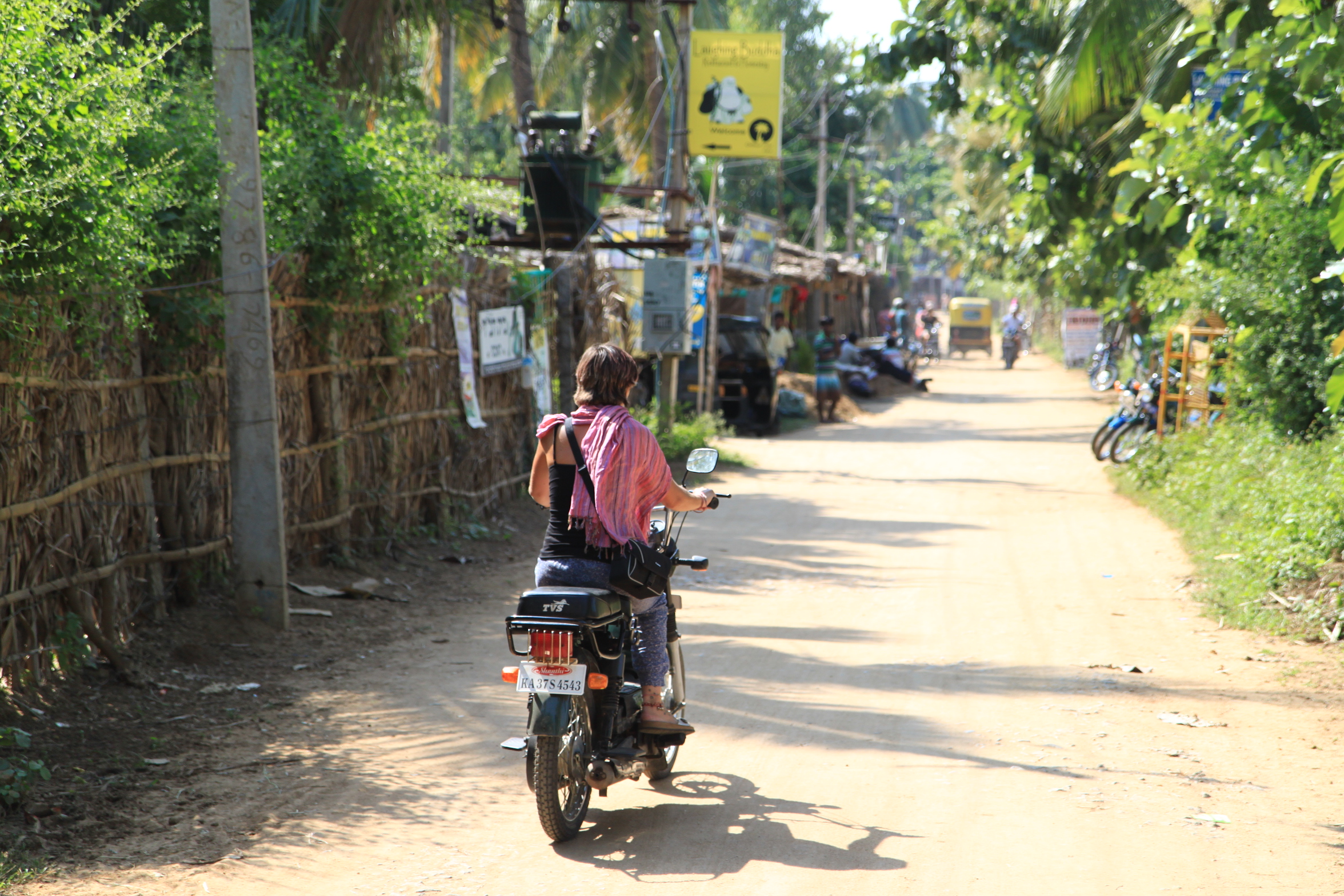
After throwing my bag down and running for the restaurant to get some well-earned breakfast I ventured out to the main bit of the village to see what there was there. I was hoping to find an Auto-Rickshaw to take me to some of the temples and places of interest outside of the village, but what I found instead was an incredibly inviting offer of a weird little automatic motorbike for the rest of the day for ₨100 plus the fuel I need…needless to say that I had a fab afternoon riding around on it!
Every village that I passed through had some children shouting ‘Hello Goodbye’ at me and many farm animals to dodge through.
I rode up to an ancient fortified village called Anegundi which actually predates Hampi by way of human habitation. It is smaller by miles and is nearly deserted apart from a few locals milling around and going about their daily routines. Anegundi has retained much of its historic monuments, such as large sections of its defensive walls and gates, along with the Ranganatha Temple devoted to Rama.
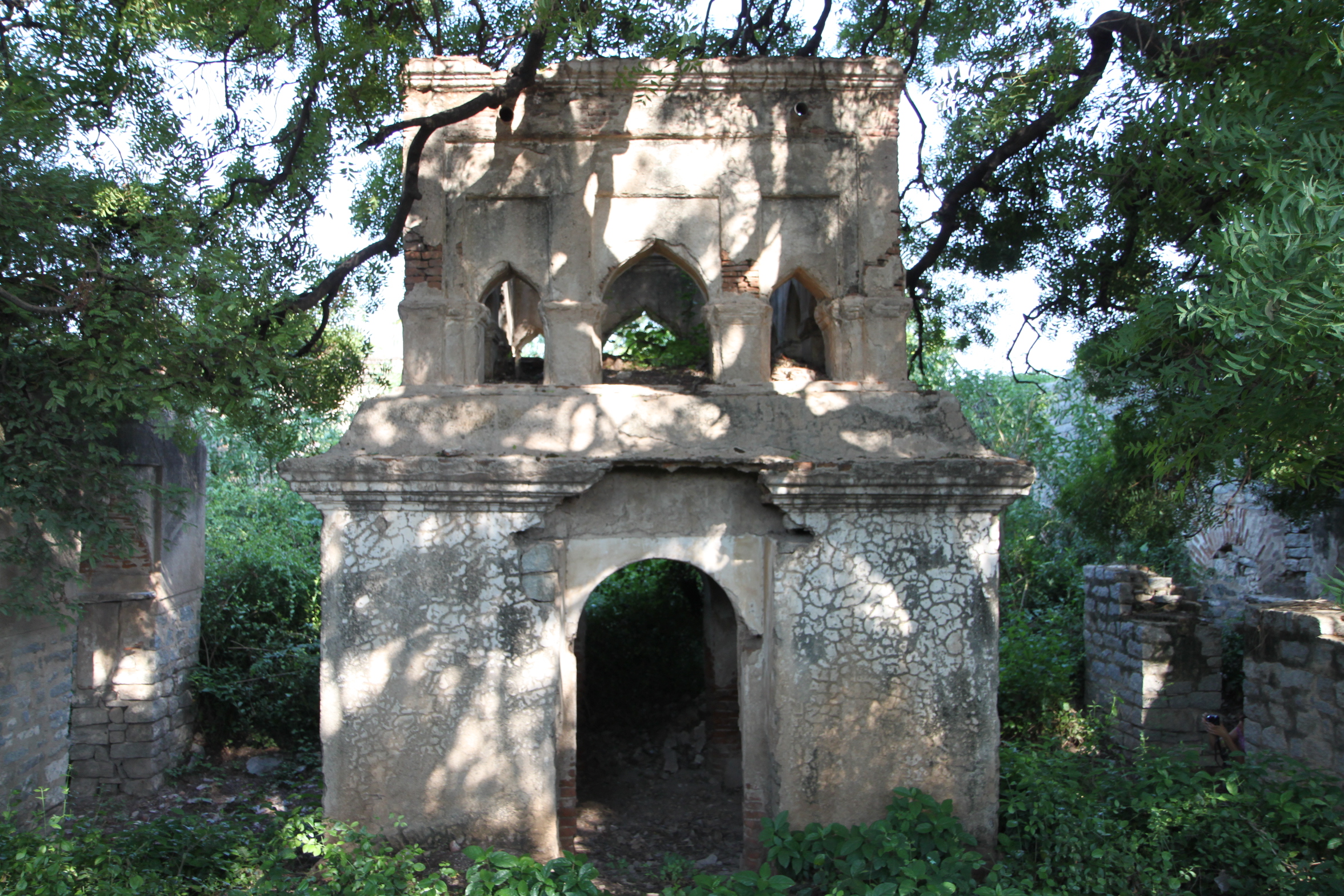

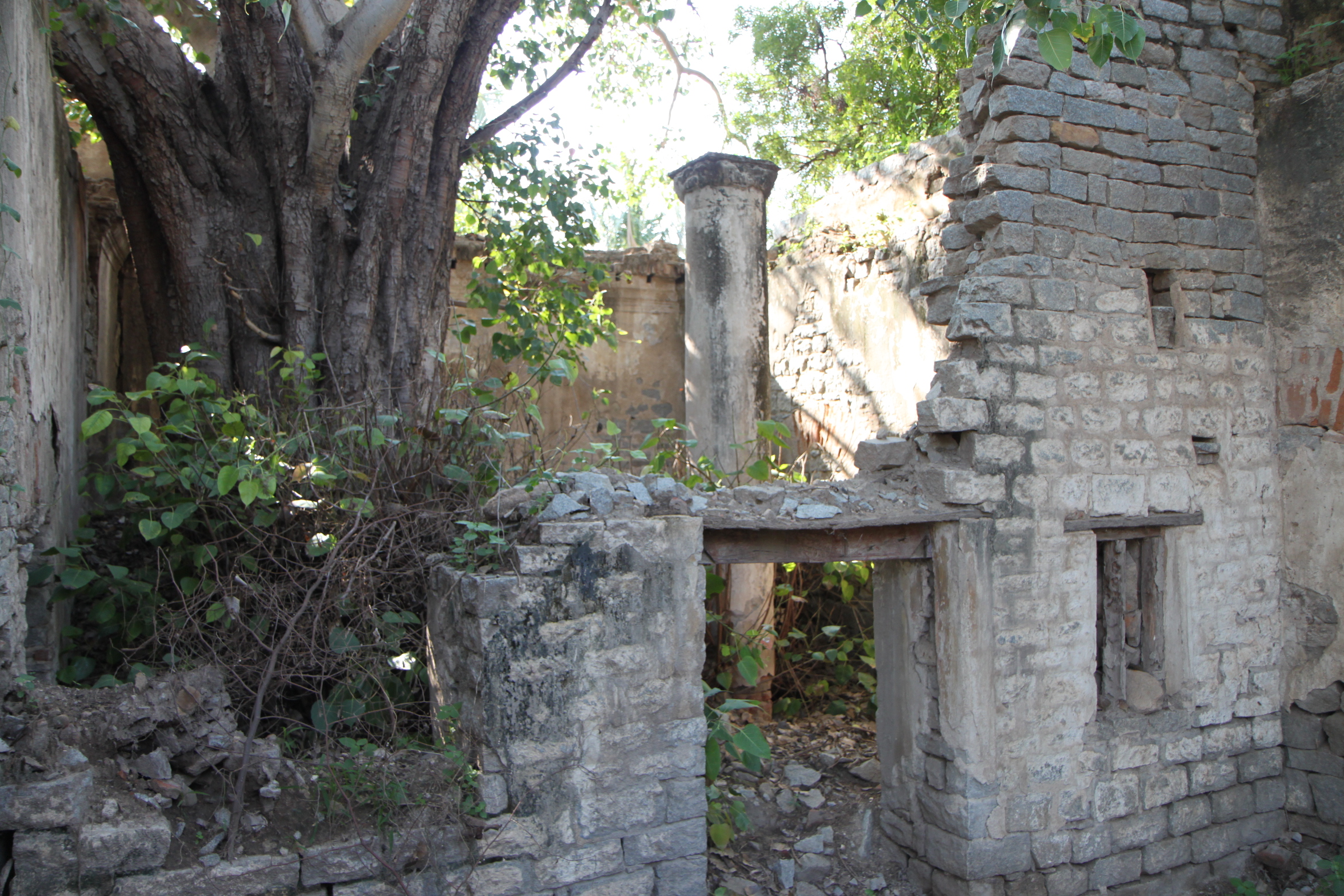

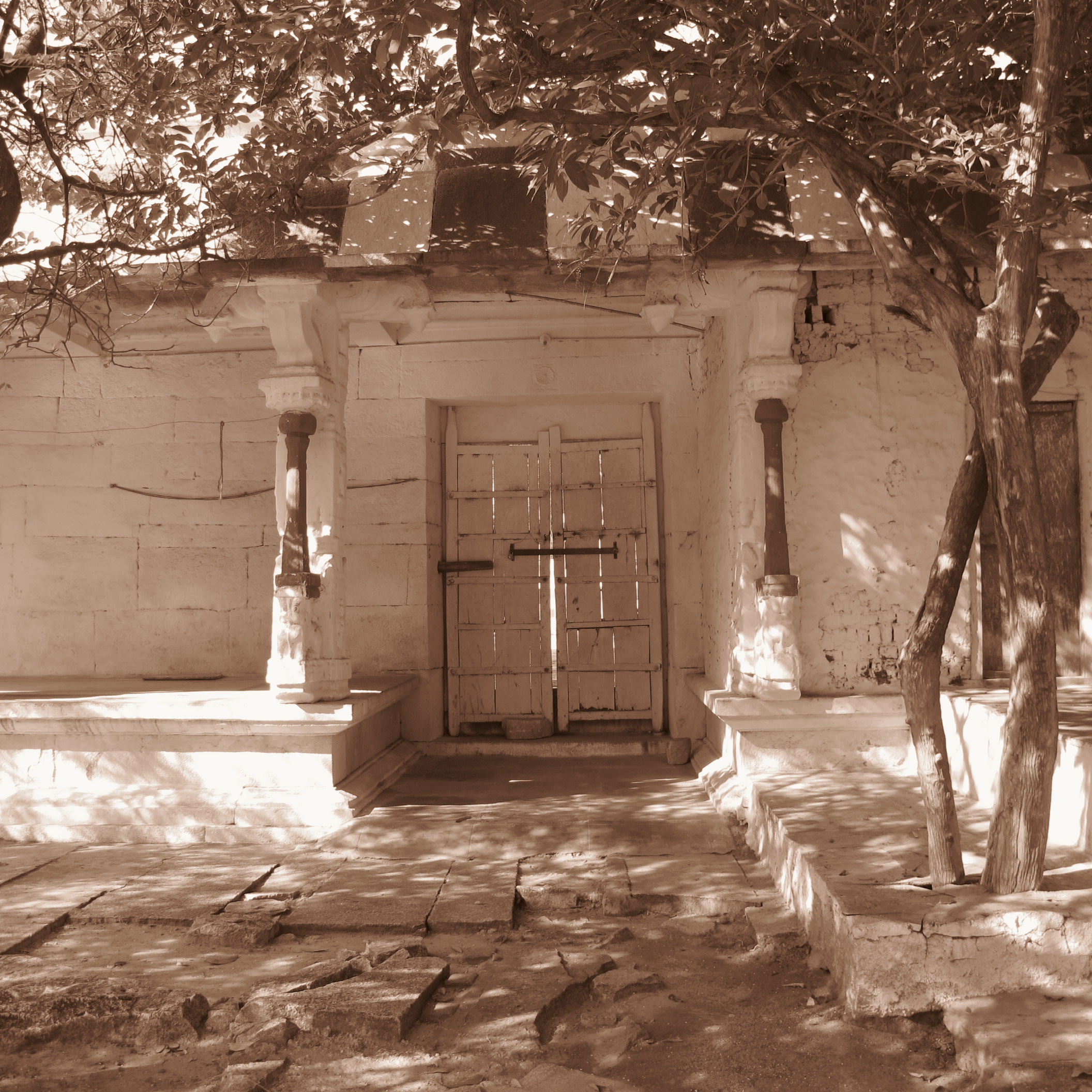

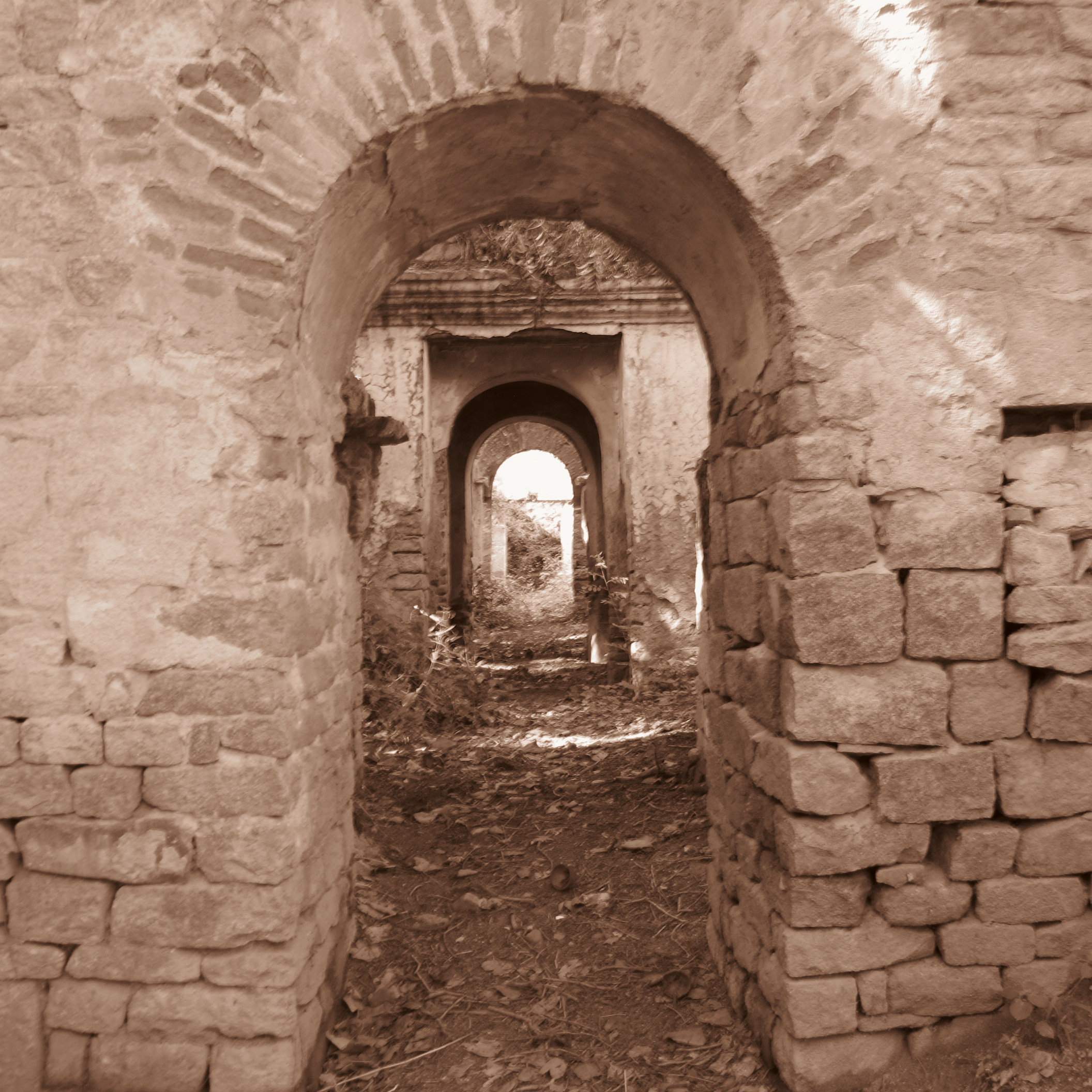
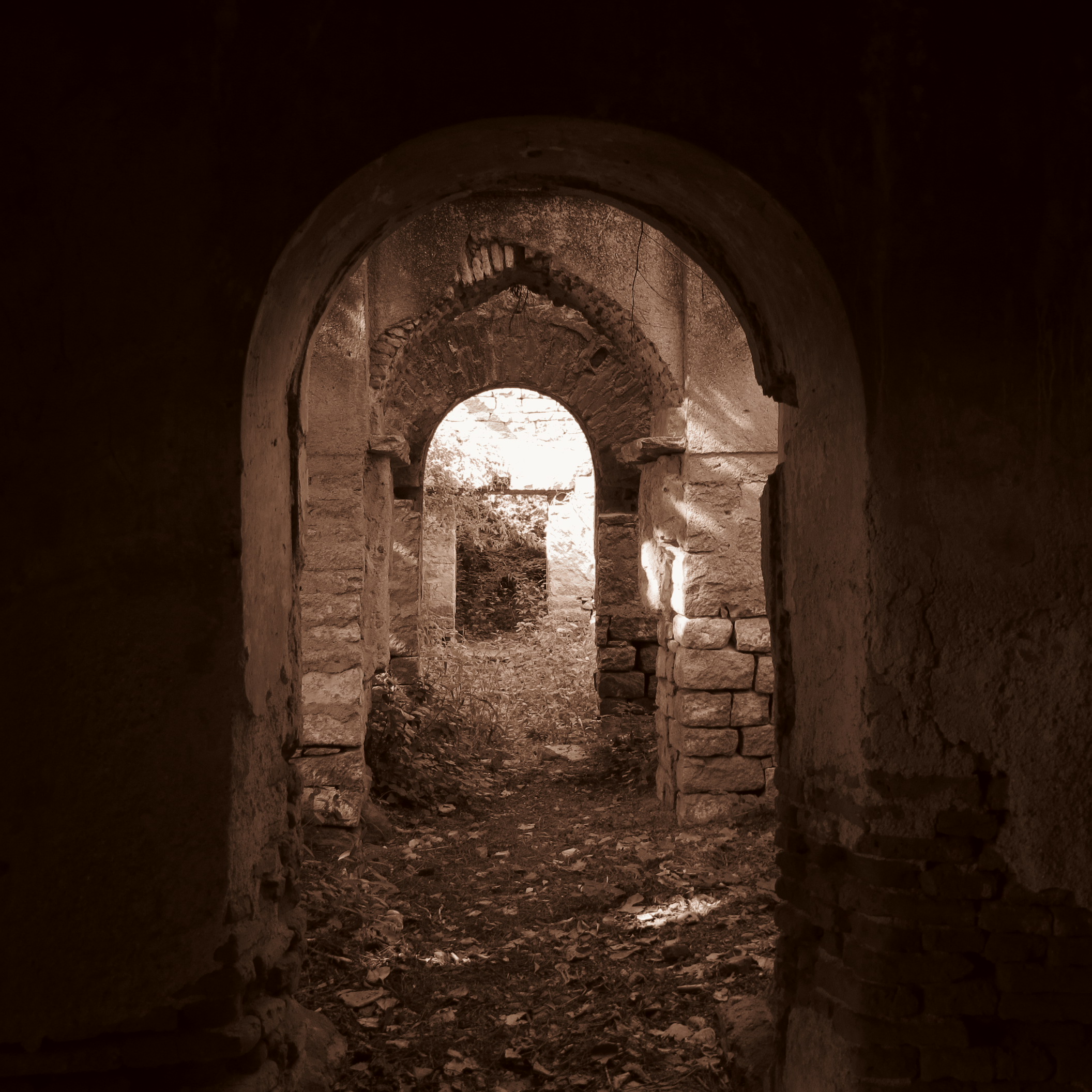
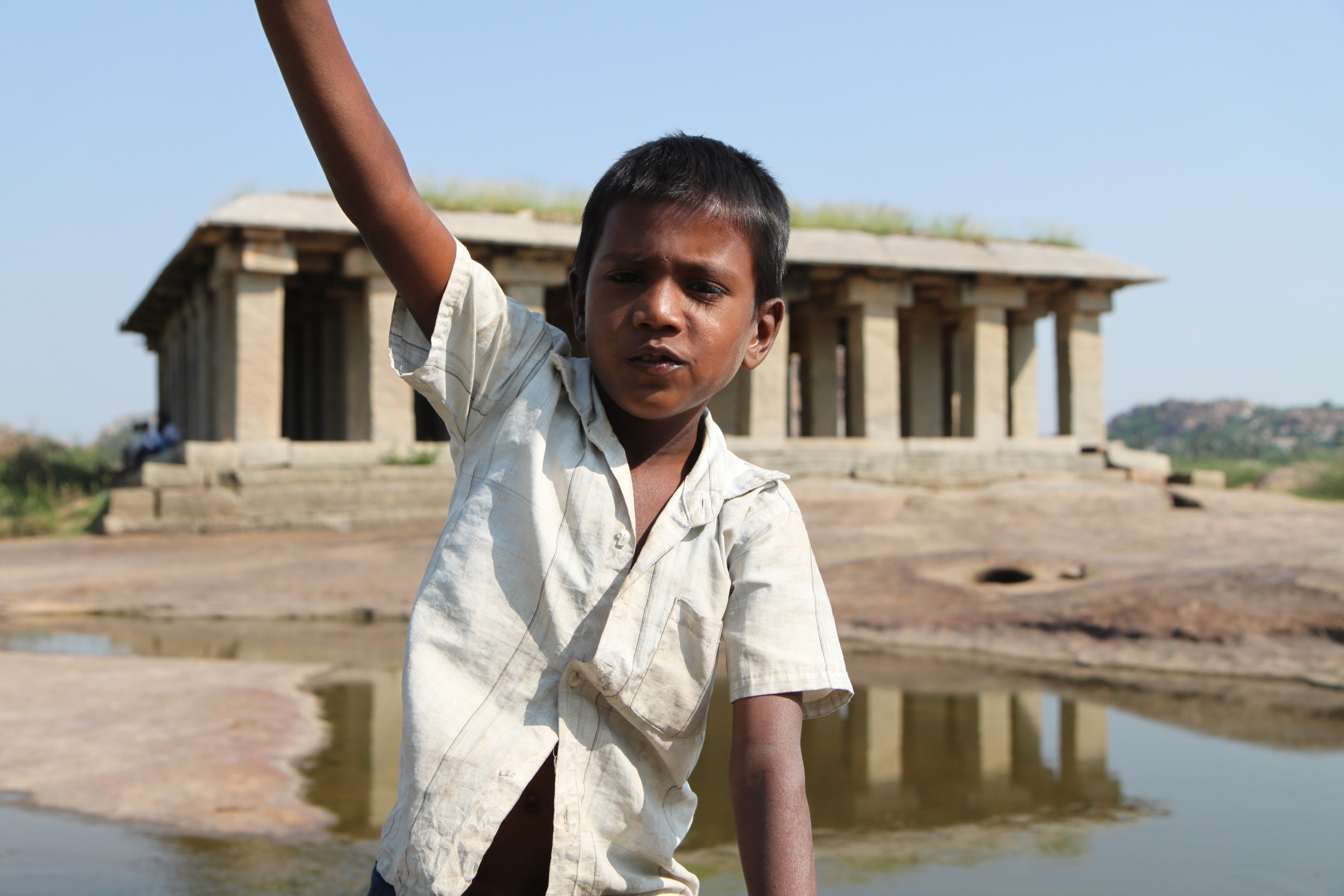
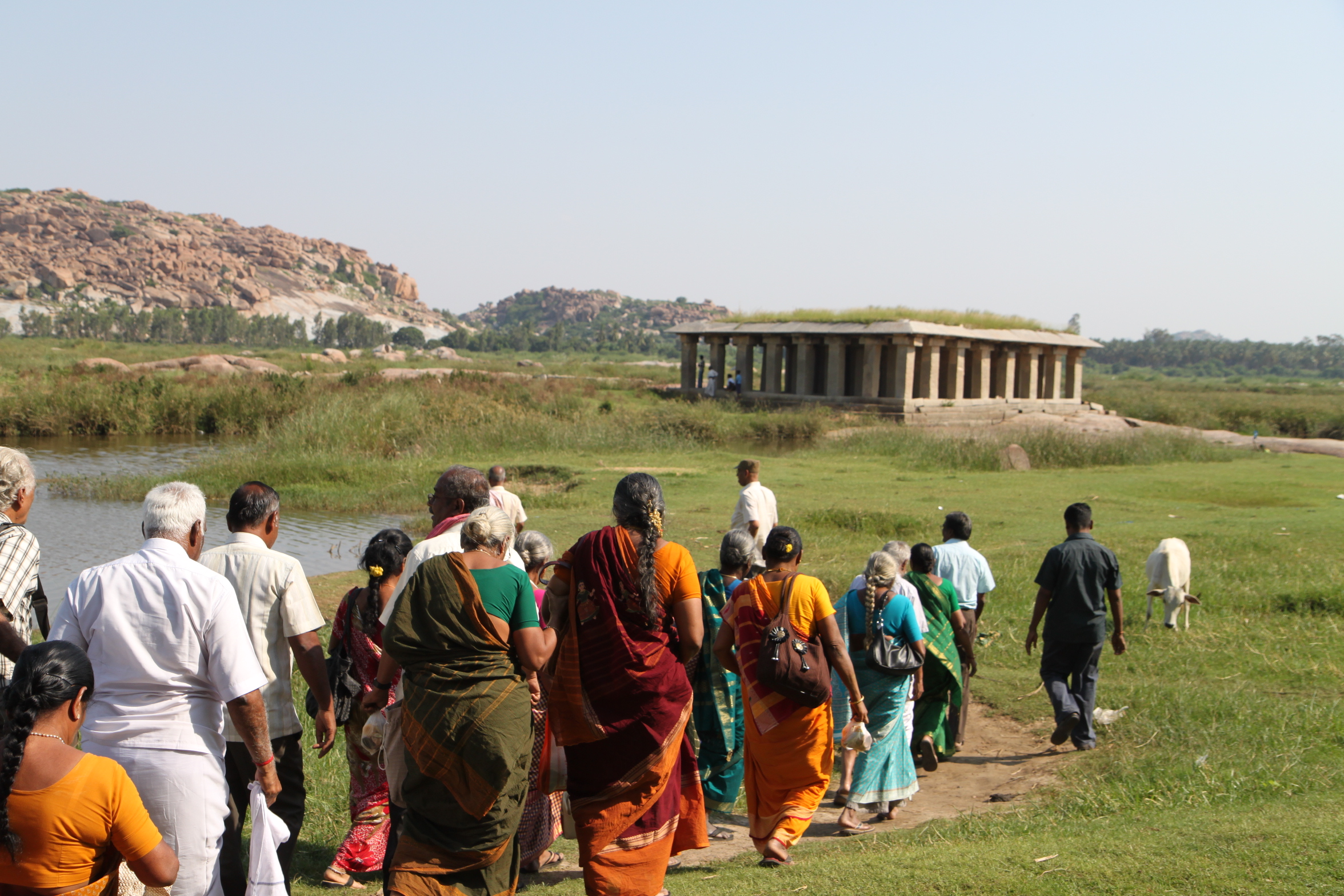
I managed to find the village river crossing and a sort of stone temple formed of columns first. After this I journeyed back into the village and found an old deserted Palace that had been overrun with foliage and monkeys, the latter I did not discover until I’d actually come out of the ruins, I’d pretty much have not gone in if I knew there were monkeys in there. Following this I found the Ranganatha Temple, which was crawling with Monkeys. After a jolly good jolly on the bike I came back to Virupapur Gaddi and, after deciding that I wanted the moped for another day, parked it up outside the hut and went off for a coffee.






 Powered By Fondant Fancy