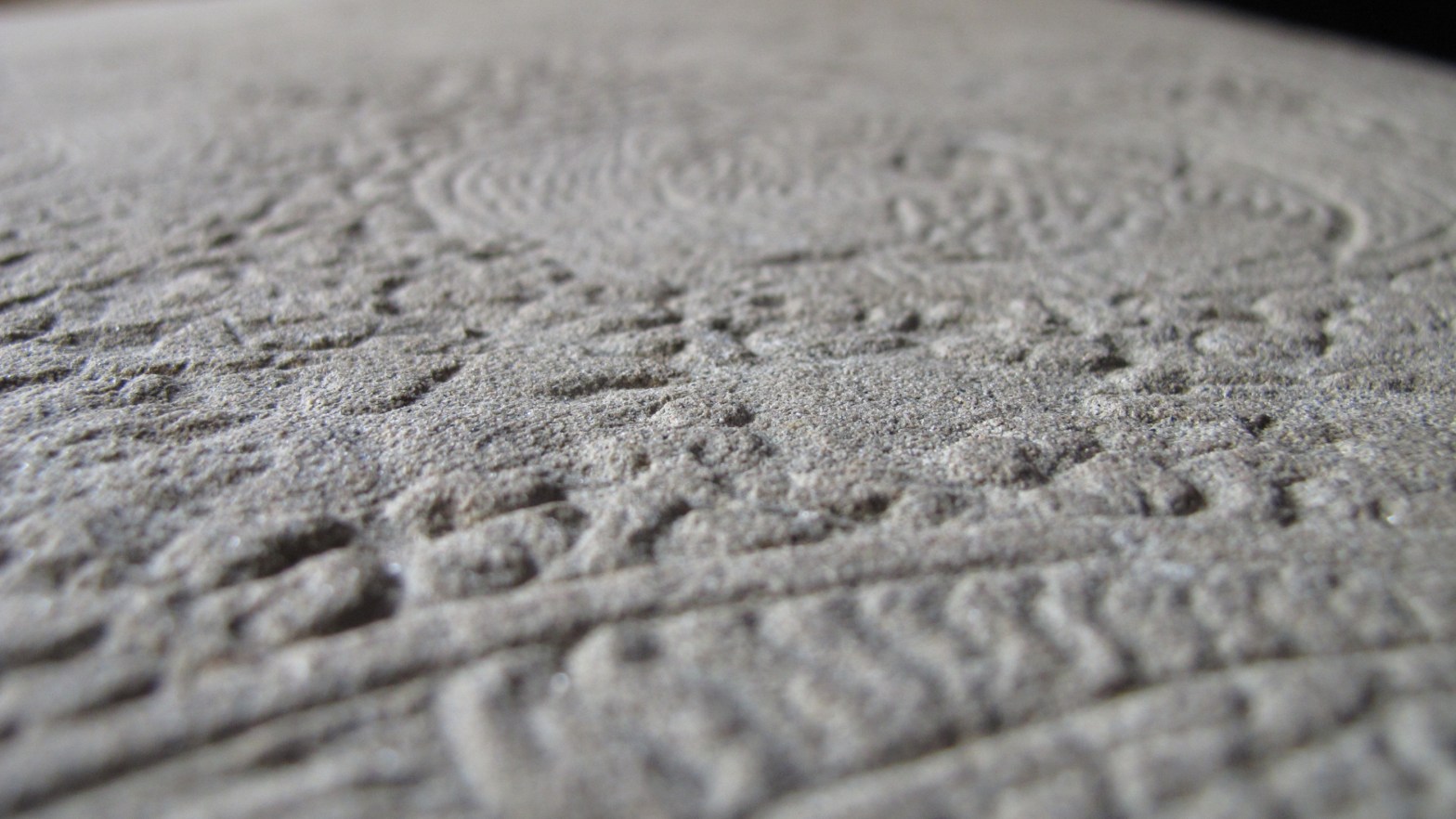
Today I FINALLY got to visit the Angkor Complex…I literally couldn’t wait to feast my eyes on all of the lovely ruins and old school architecture.
I hired a Tuk Tuk driver and he took me first to Angkor Wat and then to Angkor Thom and Bayon. In my opinion there just aren’t enough hours in the day to do the Angkor Complex justice…
Day 1
Angkor Wat
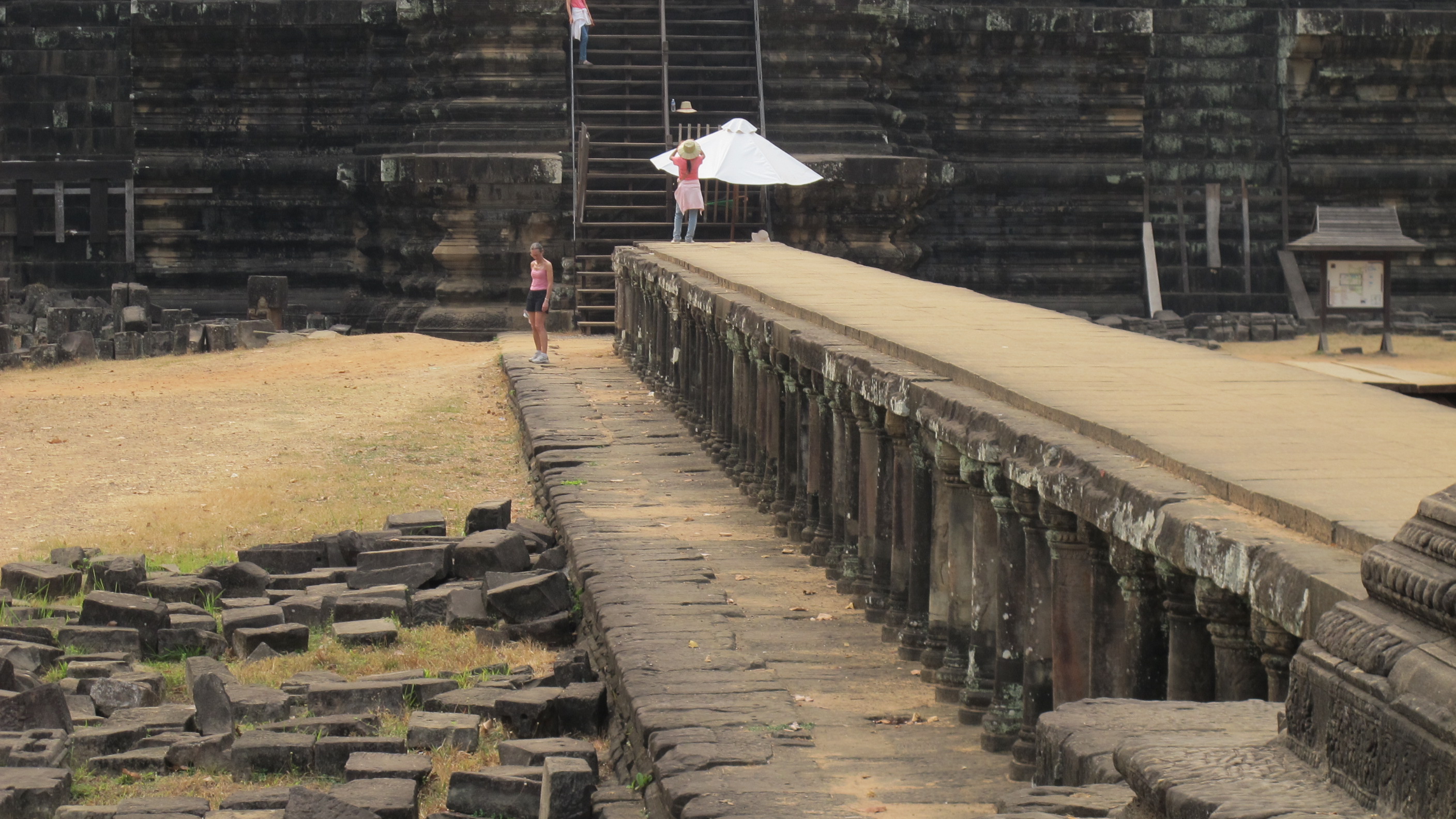
Angkor Wat lies 5.5 kilometres outside of Siem Reap, in an area of Cambodia where an important group of ancient structures sit. It is the southernmost of Angkor’s main sites and the biggest religious building in the world.
The initial design and construction of the temple took place in the first half of the 12th century, during the reign of Suryavarman II (ruled 1113 – c. 1150). Dedicated to Vishnu, it was built as the king’s state temple and capital city. Work seems to have ended shortly after the king’s death, leaving some of the decoration unfinished. In 1177, approximately 27 years after the death of Suryavarman II, Angkor was sacked by the Chams, the traditional enemies of the Khmer. Thereafter the empire was restored by a new king, Jayavarman VII, who established a new capital and state temple (Angkor Thom and the Bayon respectively) a few kilometres to the north. In the late 13th century, Angkor Wat gradually moved from Hindu to Theravada Buddhist use, which continues to the present day. Angkor Wat is unusual among the Angkor temples in that although it was neglected after the 16th century it was never completely abandoned.
The first Western visitors found it difficult to believe that the Khmers could have built the temple, and mistakenly dated it to around the same era as Rome. The true history of Angkor Wat was pieced together only from stylistic and epigraphic evidence accumulated during the subsequent clearing and restoration work carried out across the whole Angkor site. There were no ordinary dwellings or houses or other signs of settlement including cooking utensils, weapons, or items of clothing usually found at ancient sites. Instead there is the evidence of the monuments themselves. Some say that the buildings that would have housed the ordinary people would have deteriorated long before the monuments as they would have been made from wood as apposed to stone, which was reserved strictly for the Gods.
The temple is a source of great national pride. A depiction of Angkor Wat has been a part of Cambodian National Flags since the introduction of the first version circa 1863. It is one of the only places of real significance that the Khmer Rouge didn’t destroy during their reign.
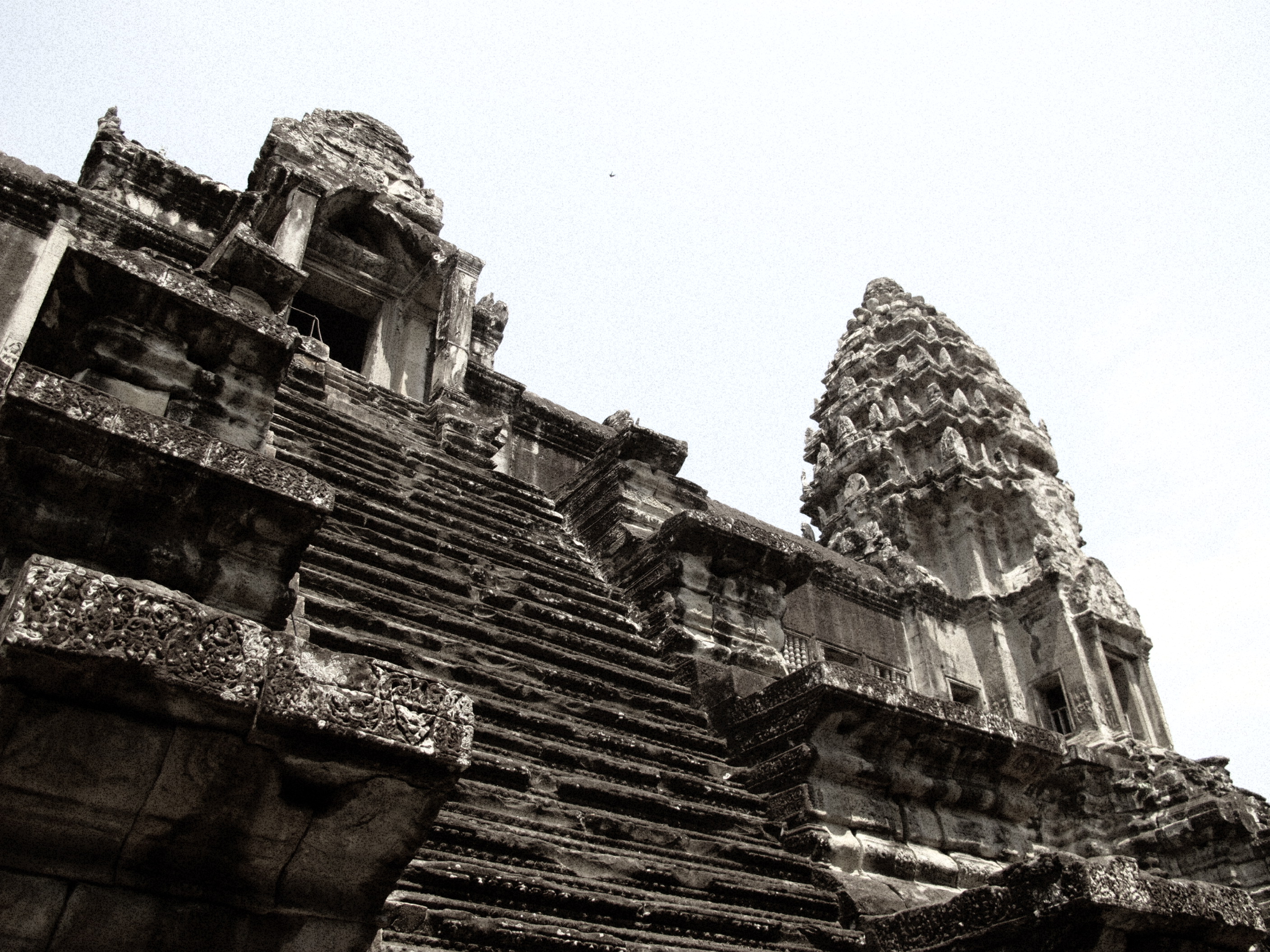
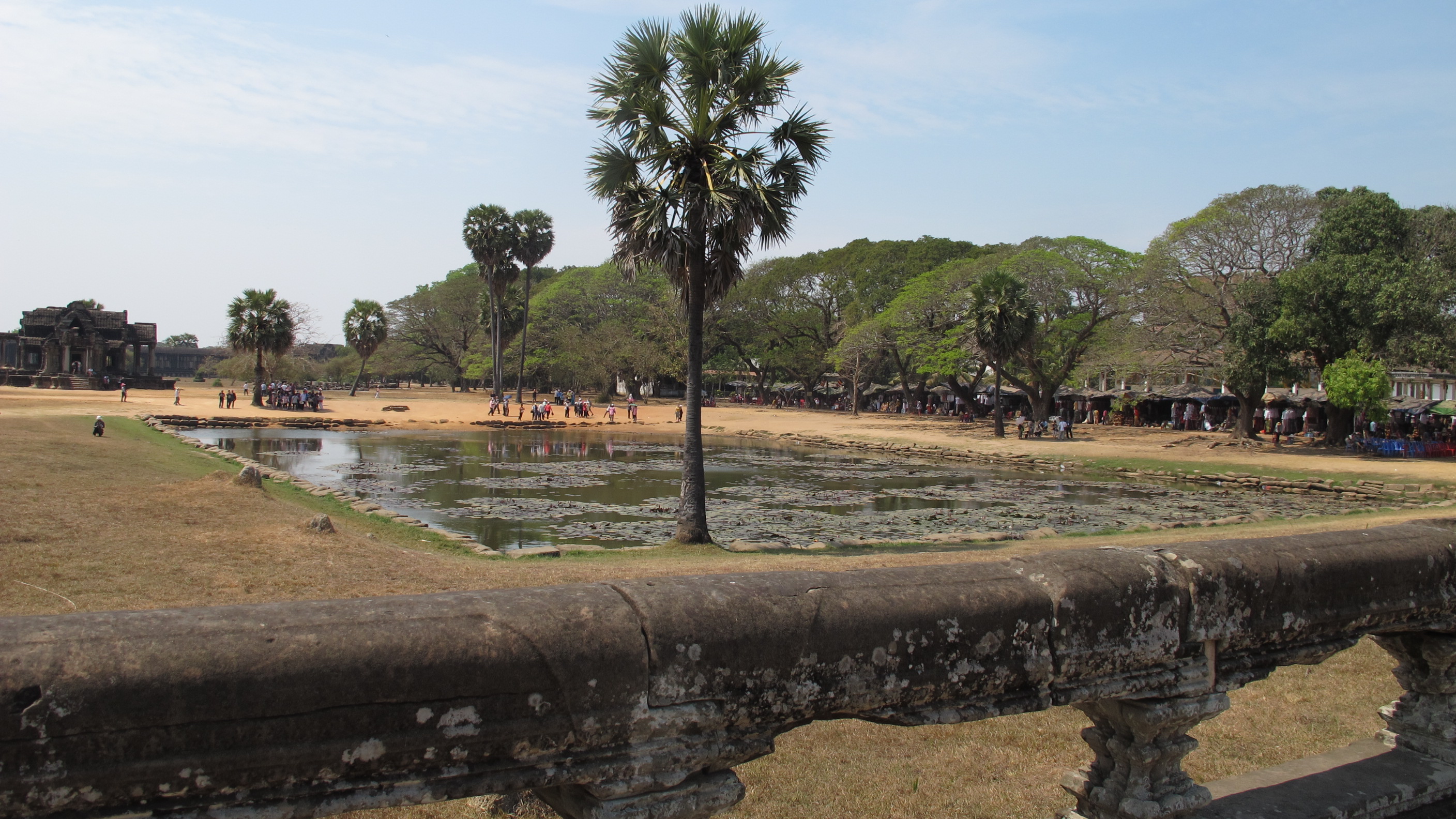

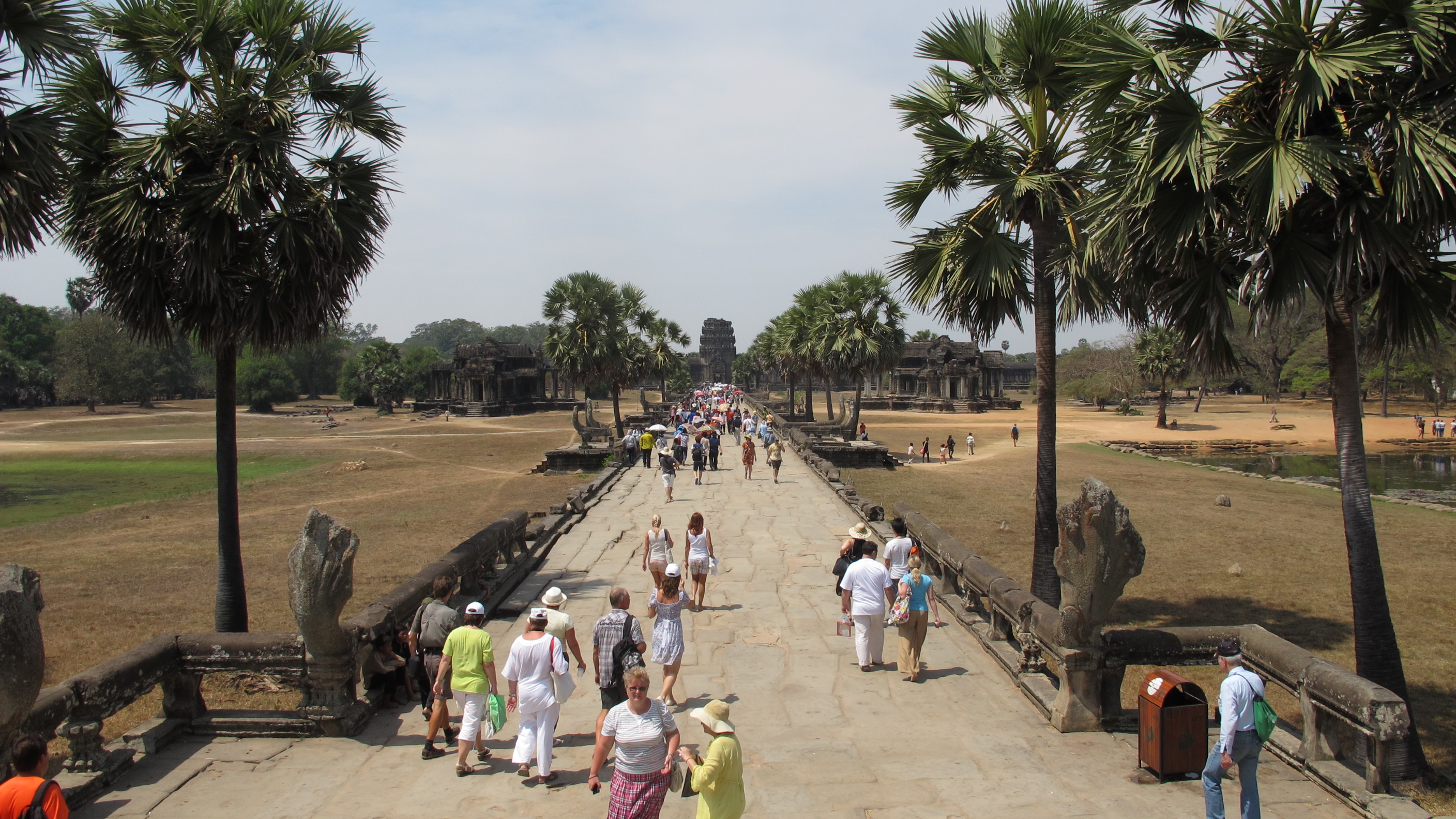
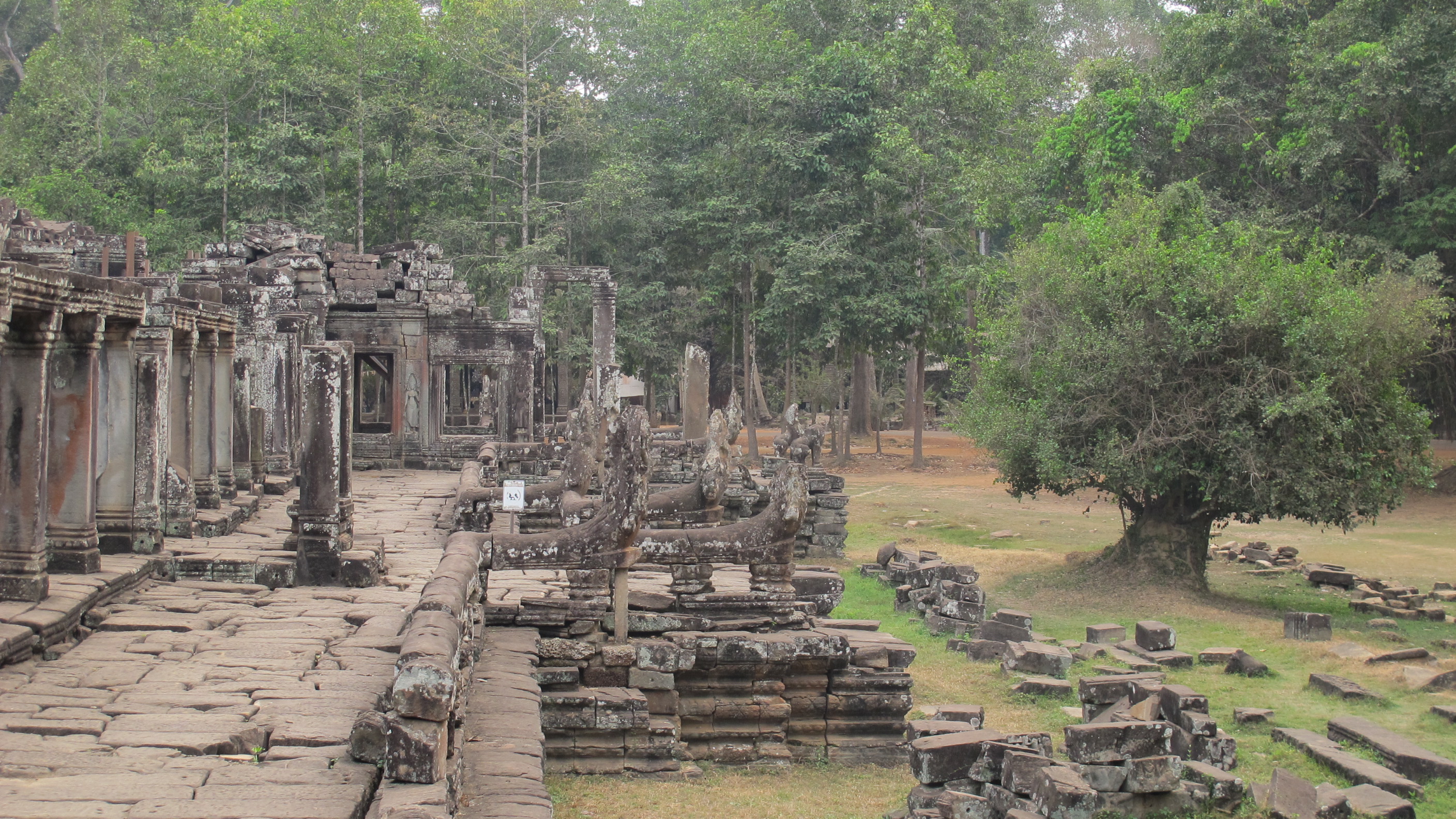
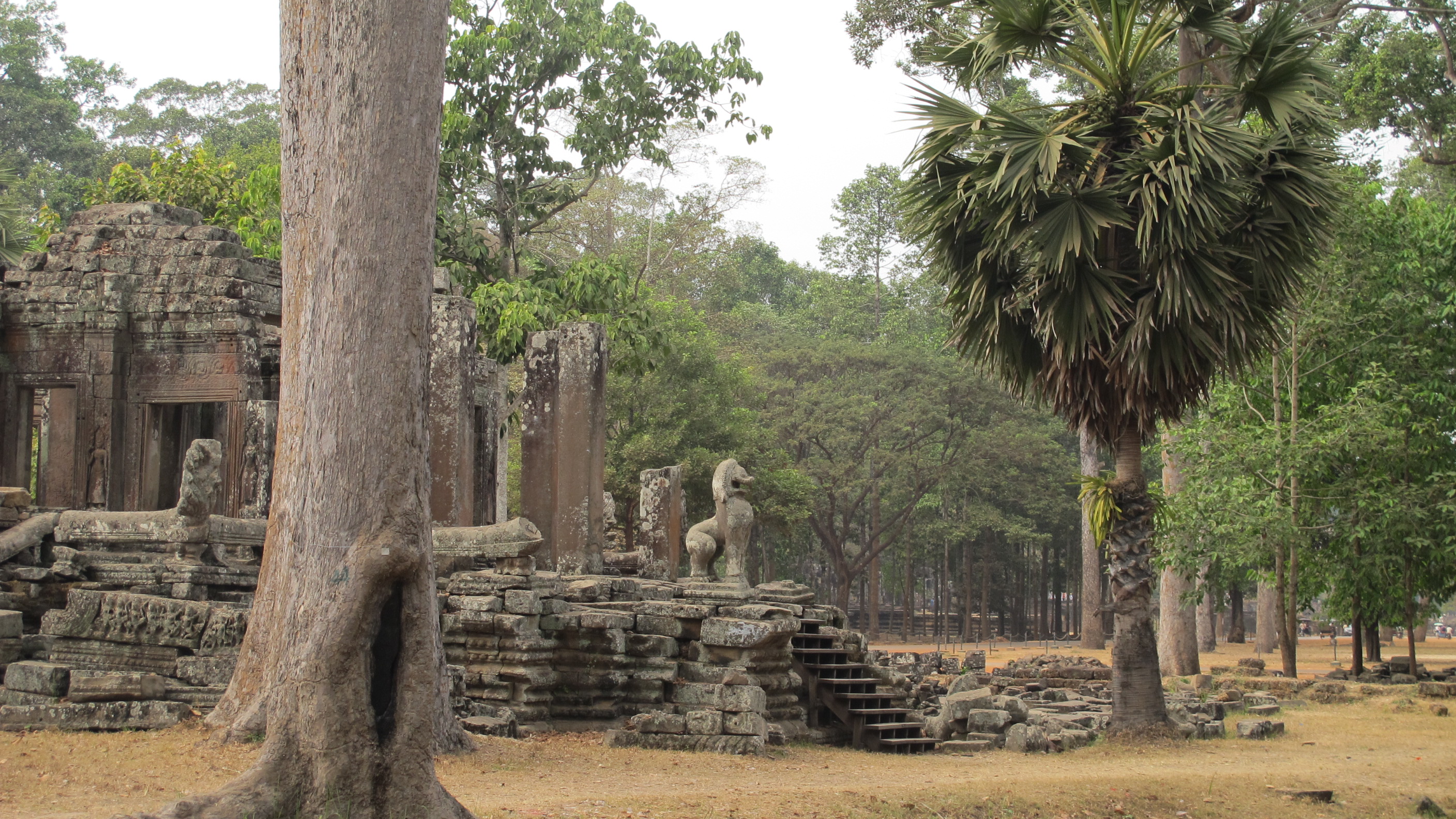
Angkor Thom
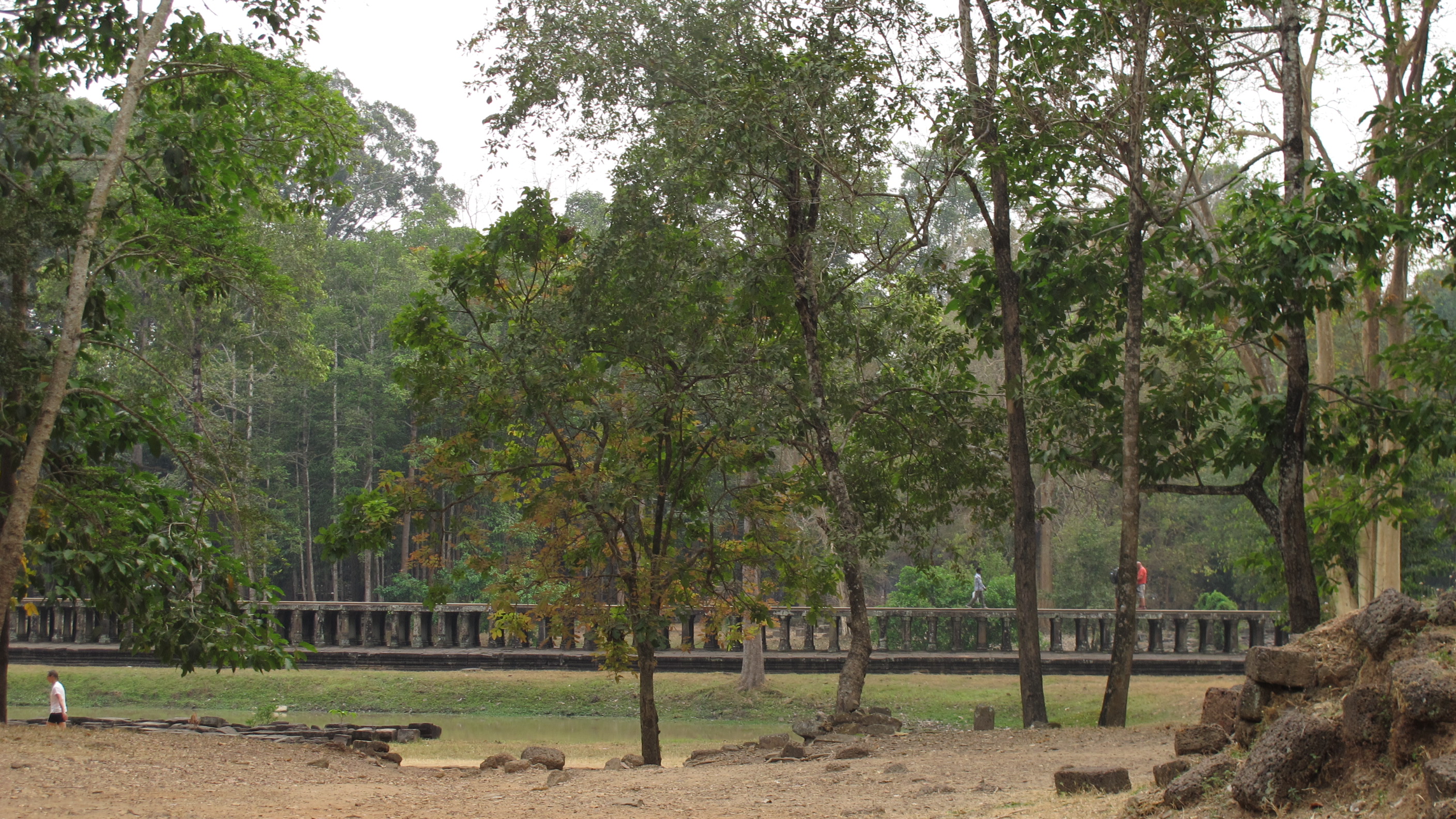
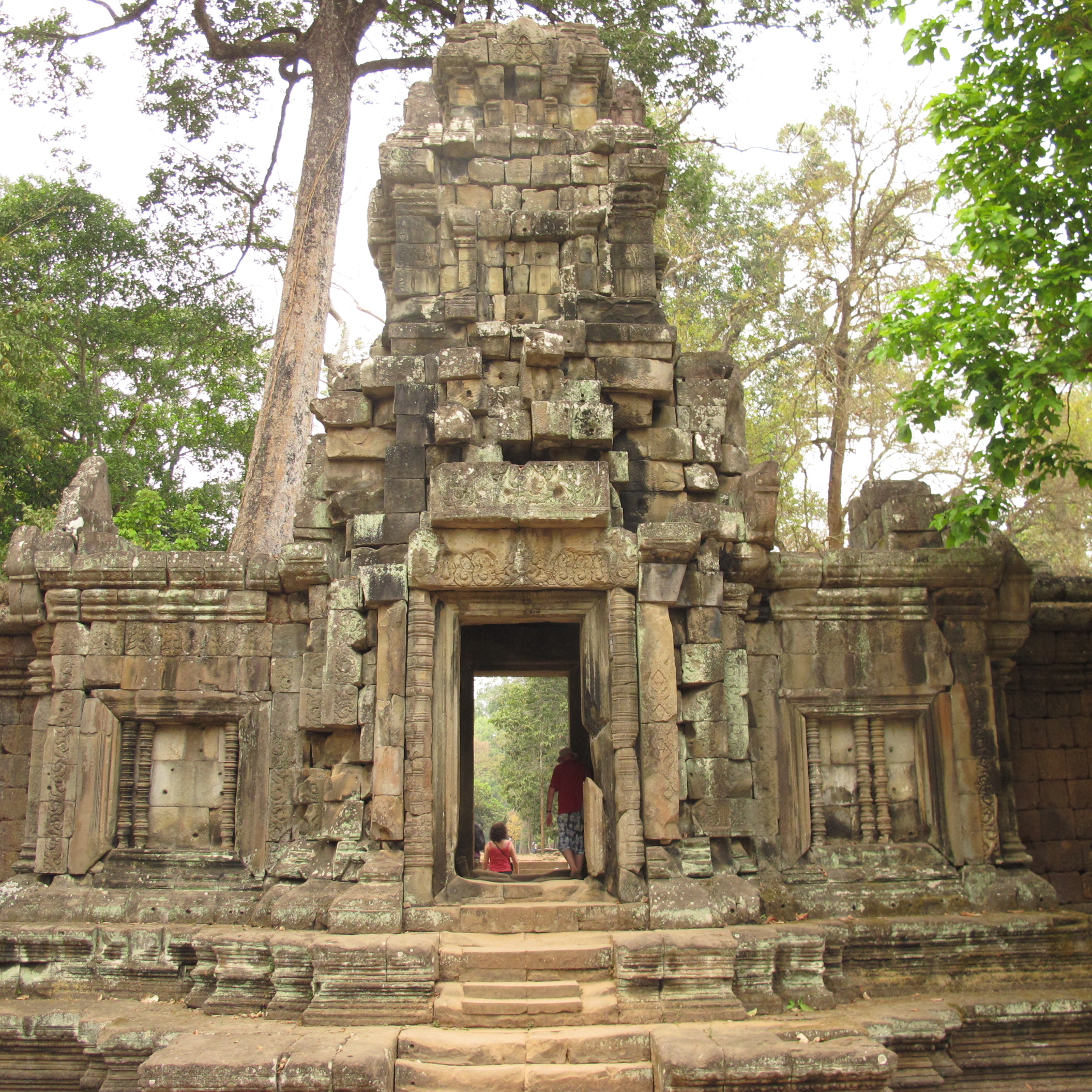
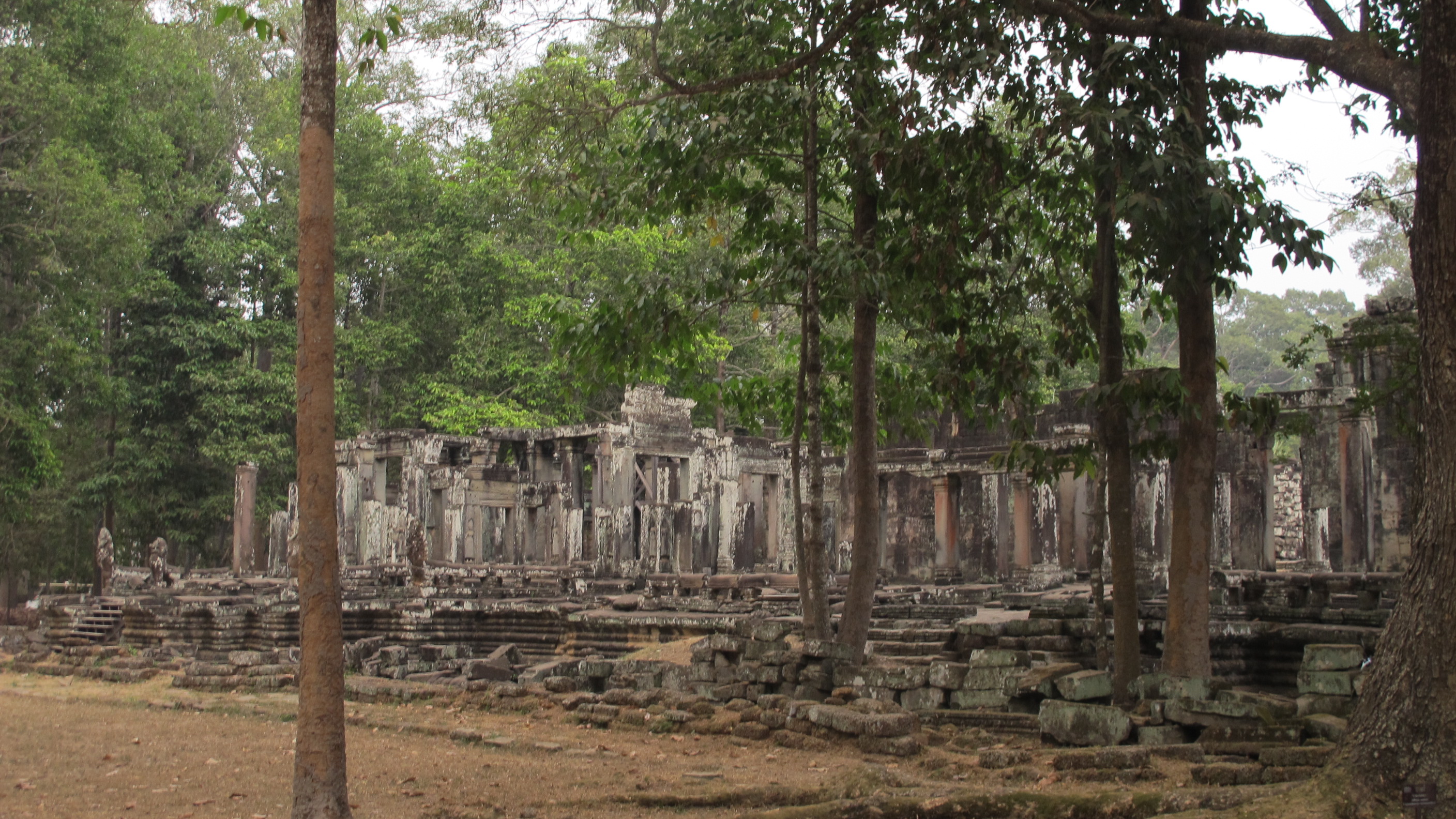
Angkor Thom, which literally means Great City, was the last and most enduring capital city of the Khmer Empire. It was established in the late twelfth century by king Jayavarman VII. It covers an area of 9 km, within which are located several monuments from earlier eras as well as those established by Jayavarman and his successors. At the center of the city is Jayavarman’s state temple, the Bayon, with the other major sites clustered around the Victory Square immediately to the north. Within the city of Angkor Thom was a system of canals, through which water flowed from the northeast to the southwest. The bulk of the land enclosed by the city walls would have been occupied by the secular buildings of the city, of which nothing remains. This area is now covered by forest.





Day 2
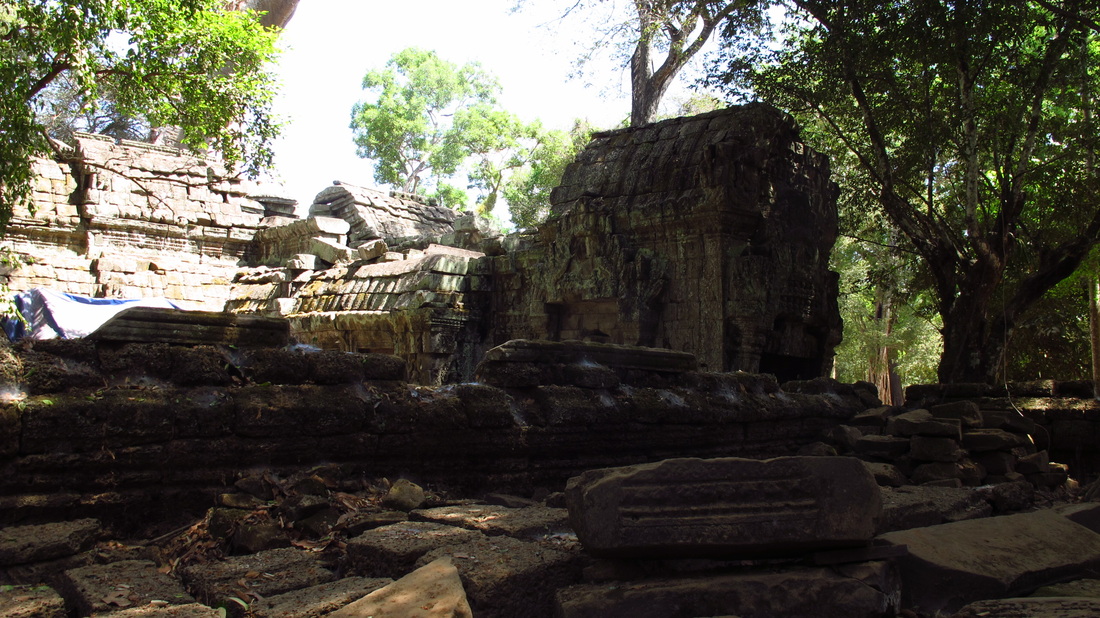
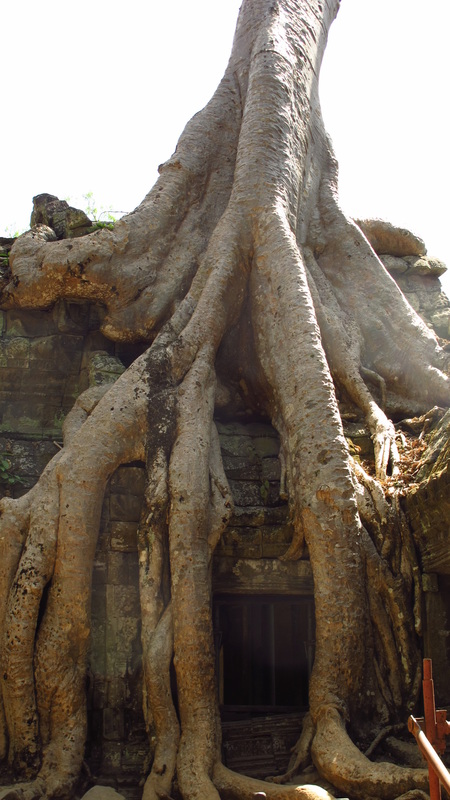
Ta Prohm
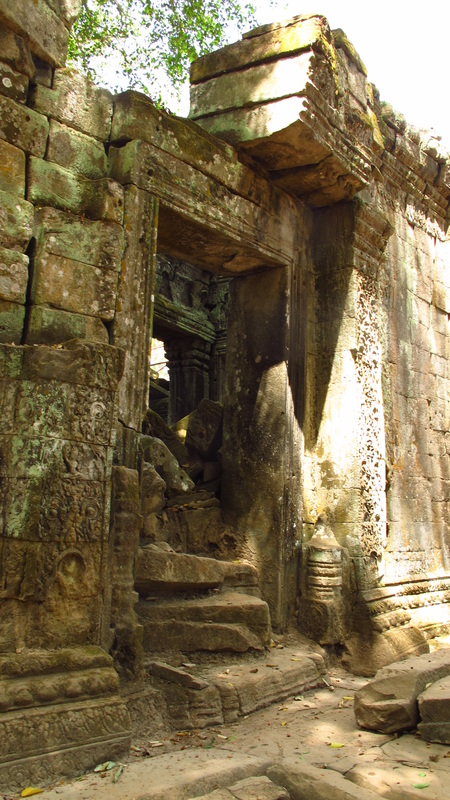
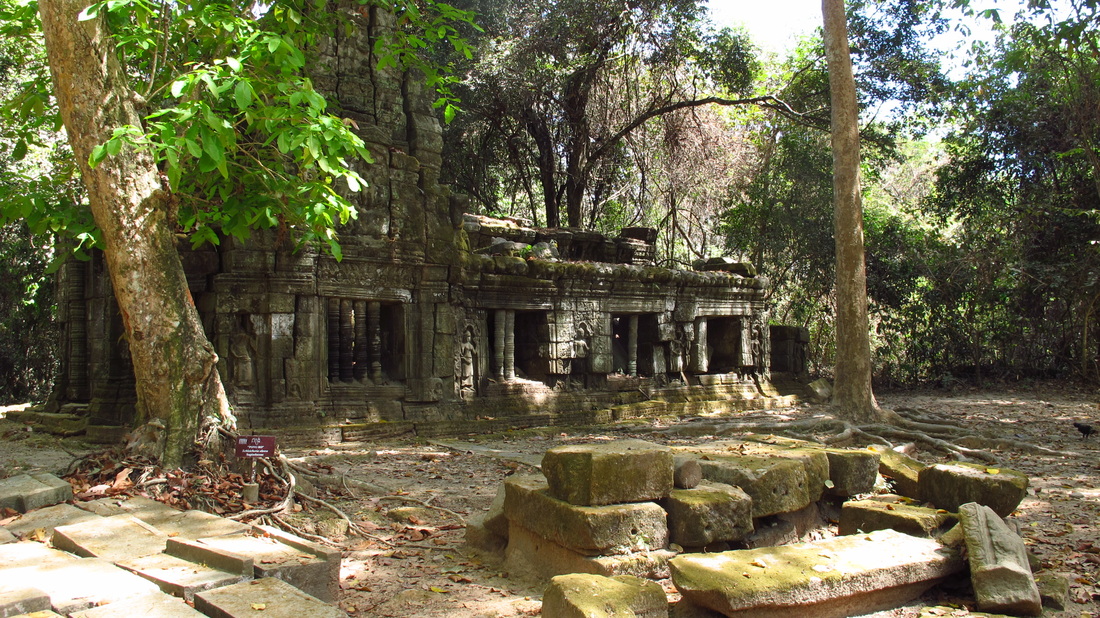
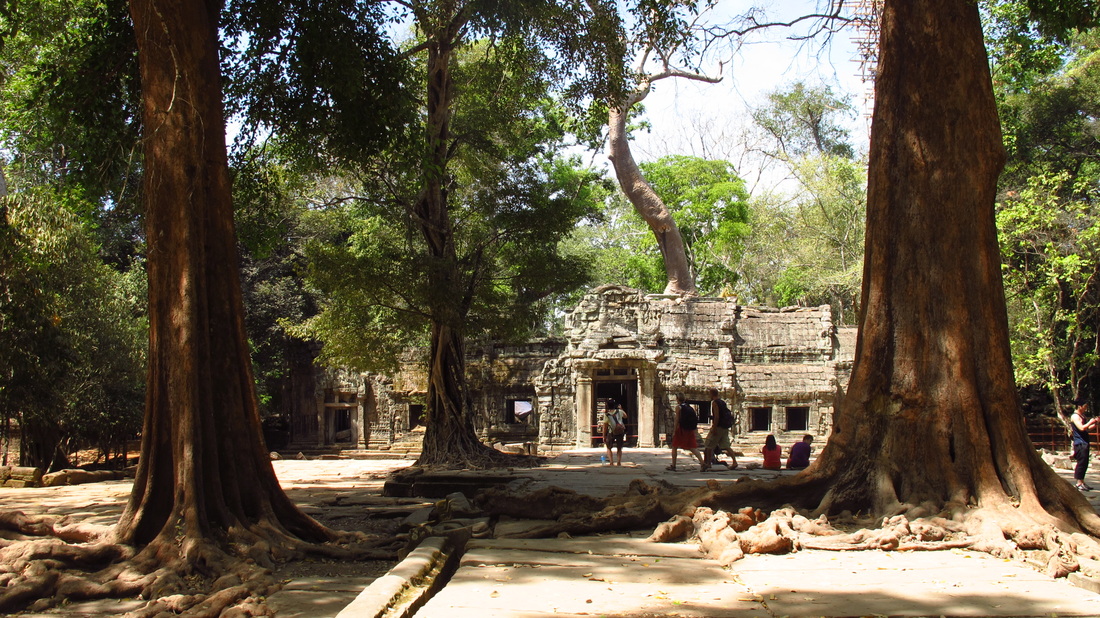
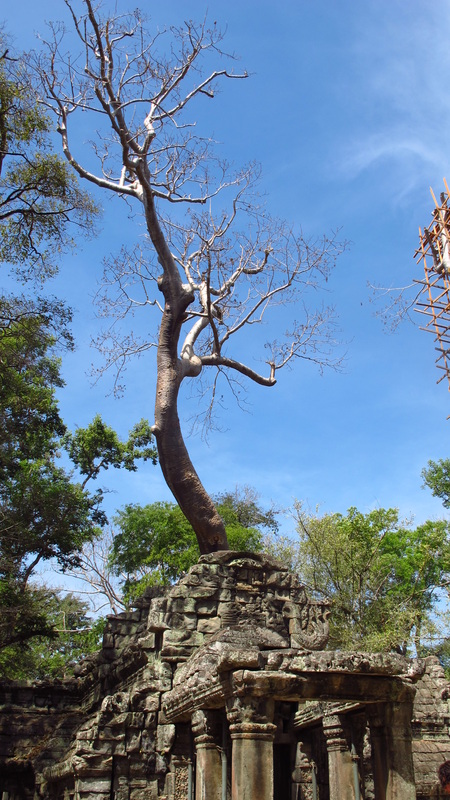
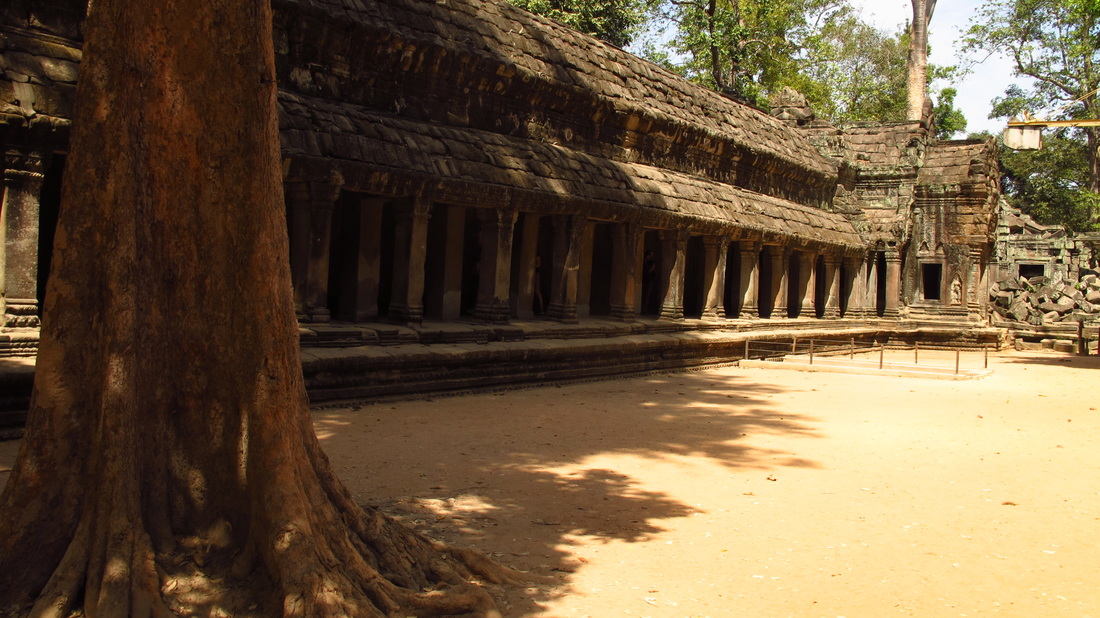
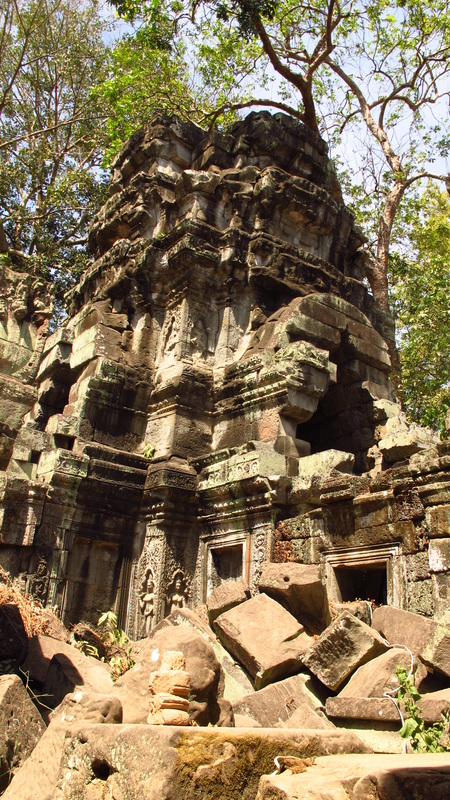
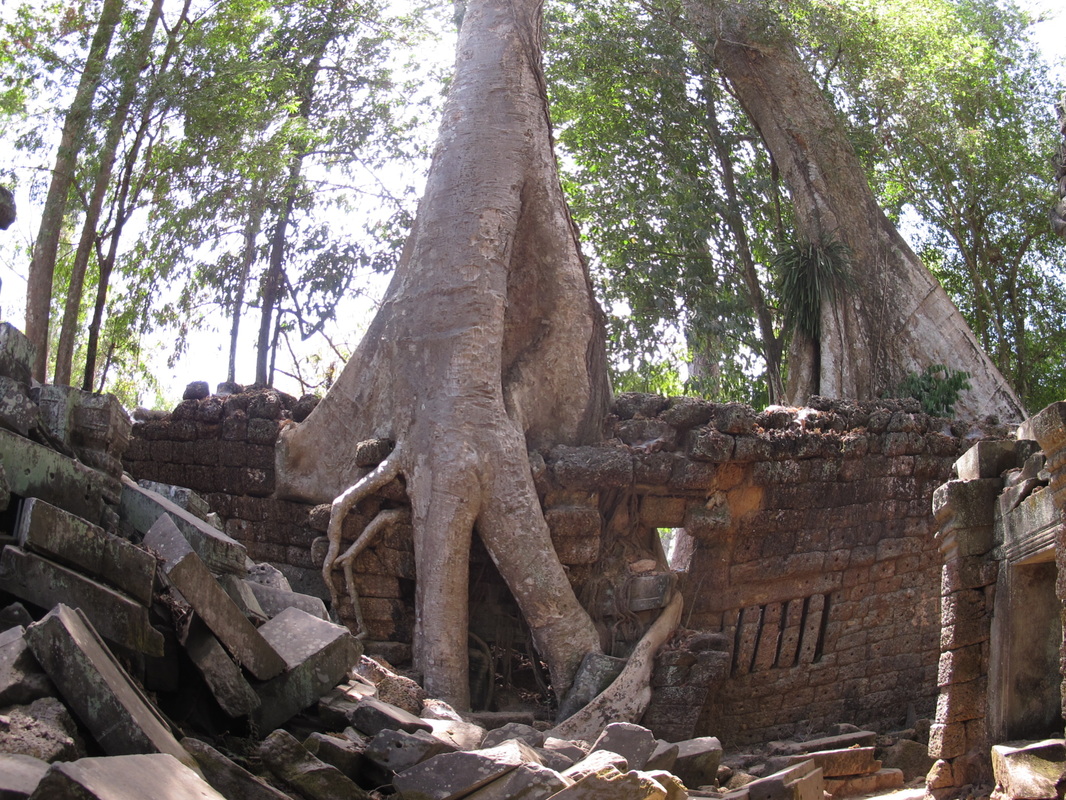
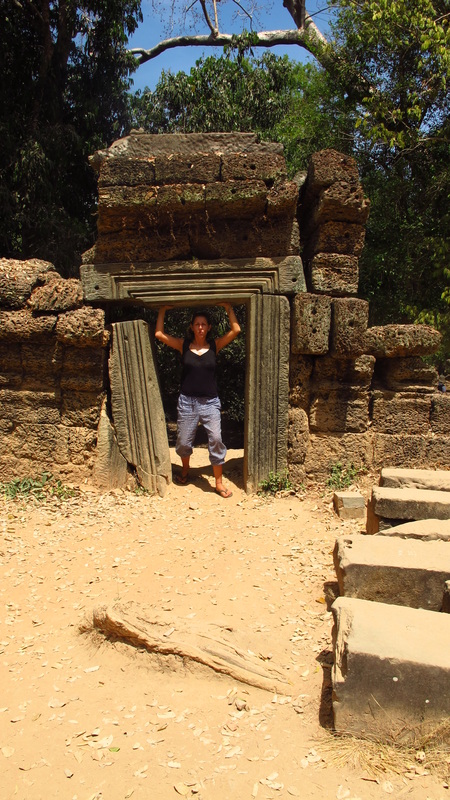
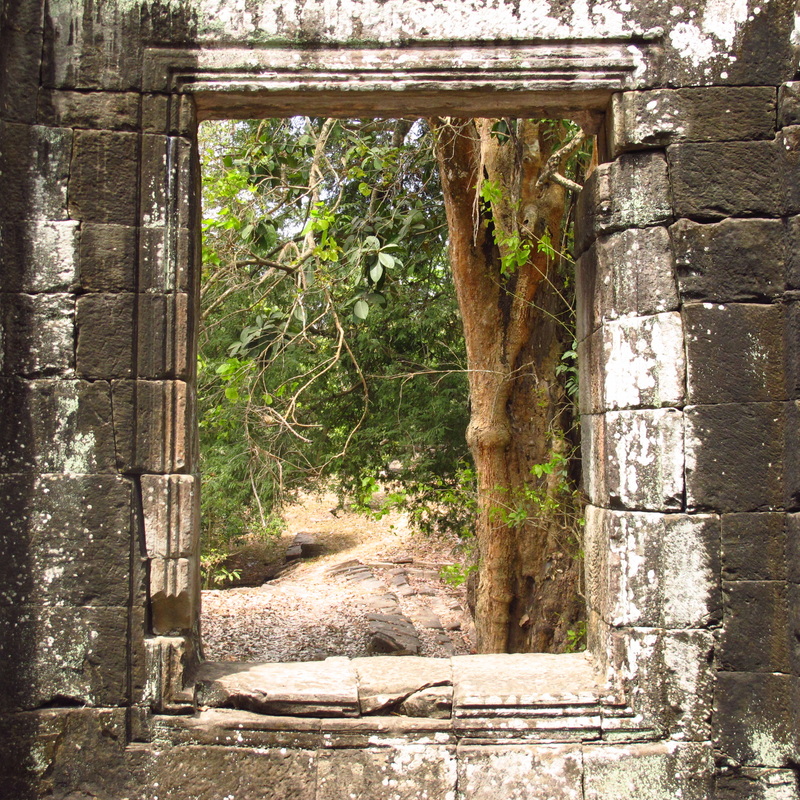
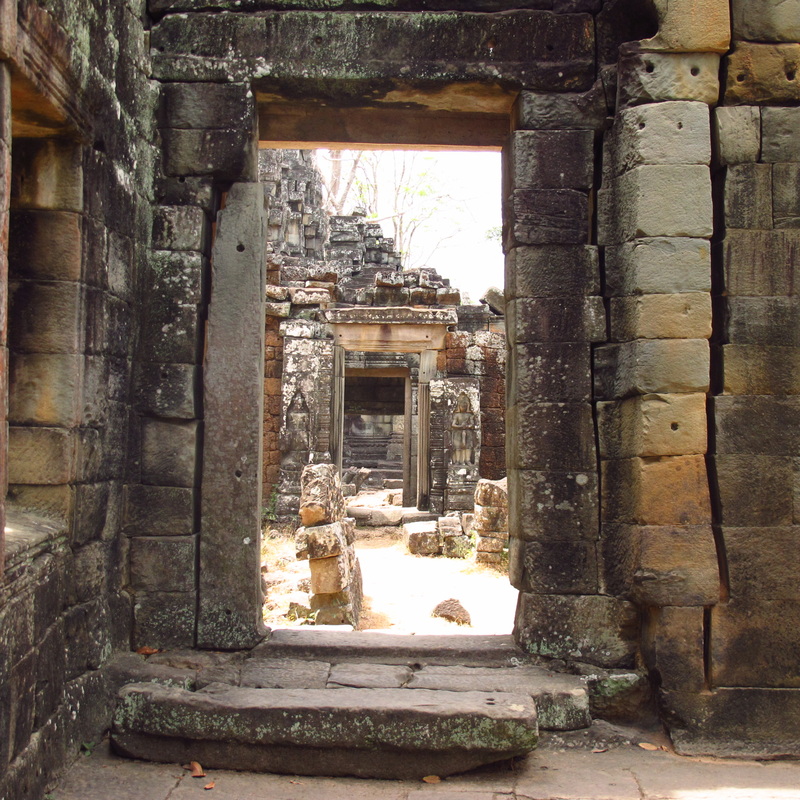
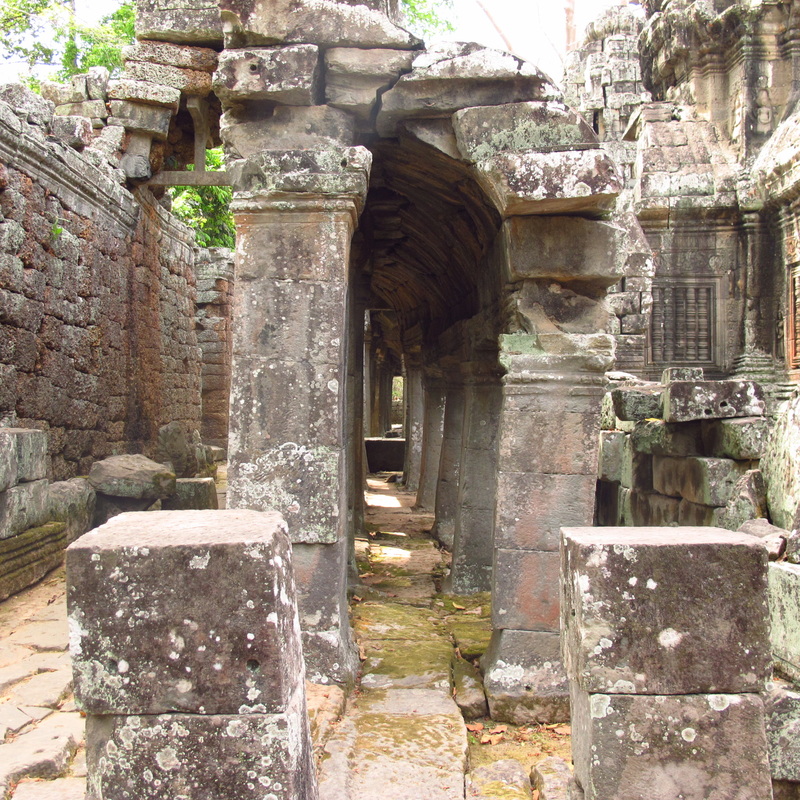
Ta Prohm is like something from the movies, namely Tomb Raider, as they used it in some of the scenes! It was built in around 1186 and originally known as the Monastery of the King, or Rajavihara, and was a Buddhist temple dedicated to the mother of Jayavarman II. As you walk around the site you really do feel nature and it’s hold on things. It has taken over the corridors and columns, the doorways and arches and even grown through some of the buildings…I wanted to transport myself back to the days before it had started to be restored and see what it had looked like just left as a ruin. It’s very photogenic 🙂
Banteay Kdei Temple
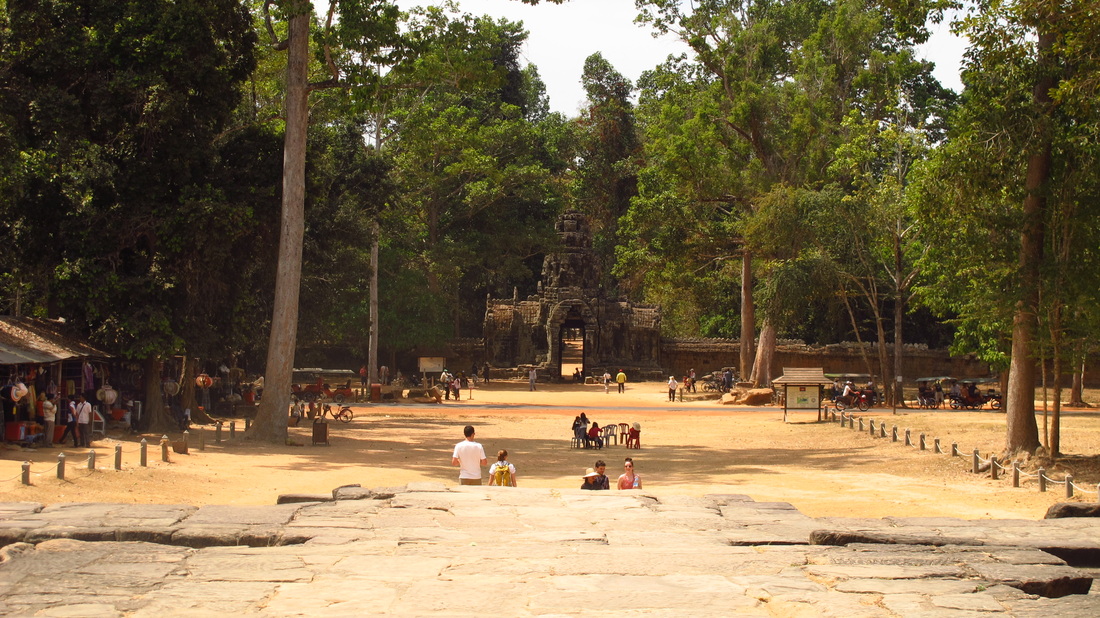
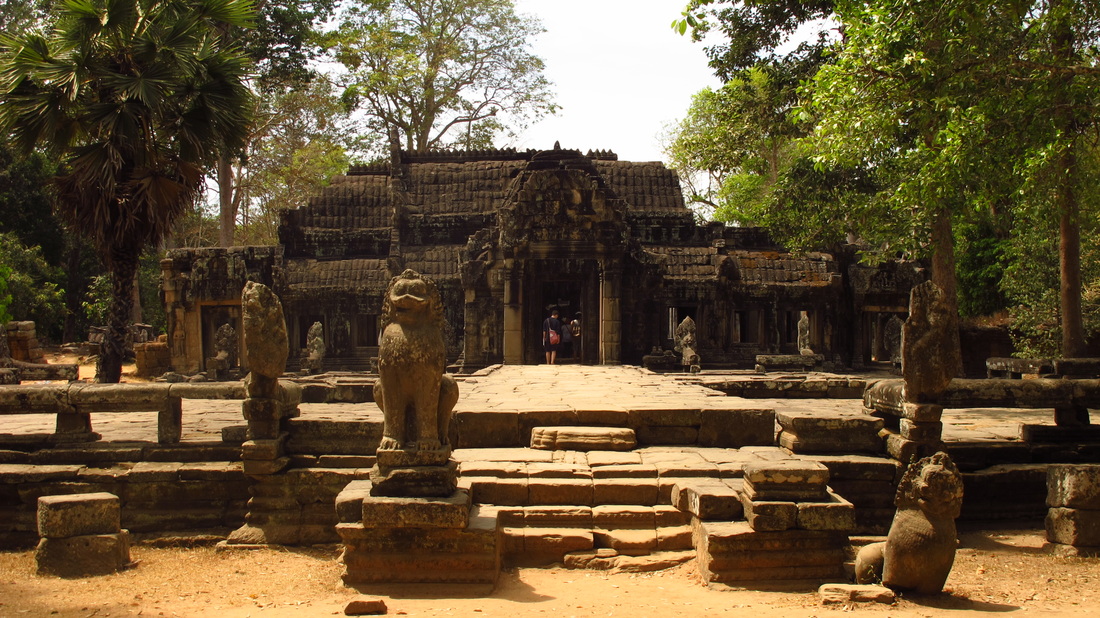
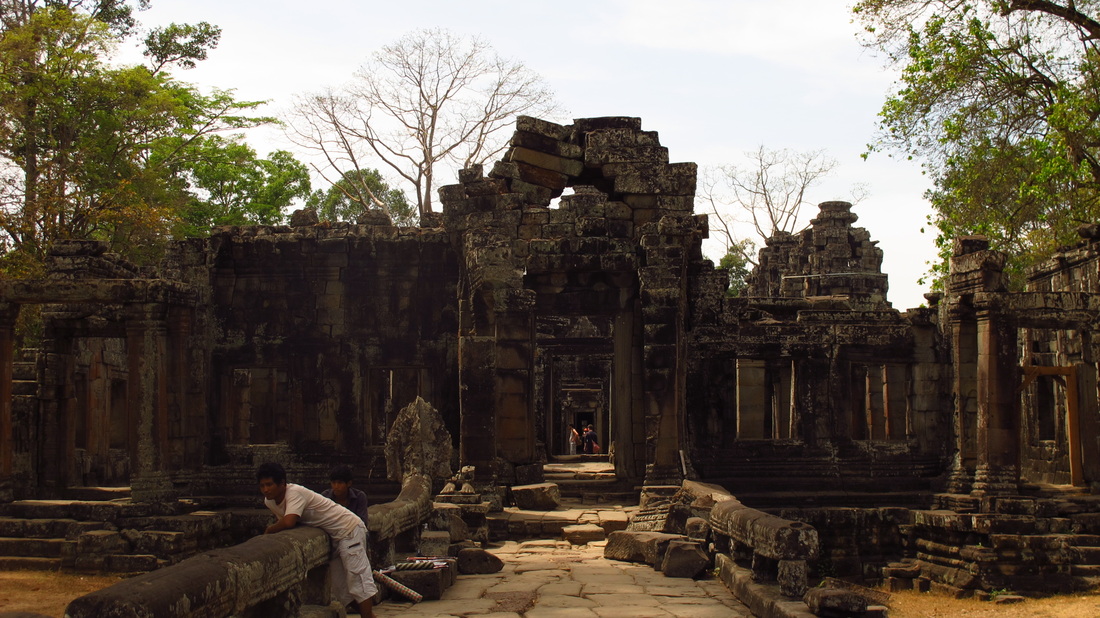
The Banteay Kdei Temple is said to have been built in the mid-12th to early 13th centuries AD during the reign of Jayavarman VII, it is in the same architectural style as the Bayon in Akgkor Thom and similar in plan to Ta Prohm, but less complicated and smaller.
Pre Rup
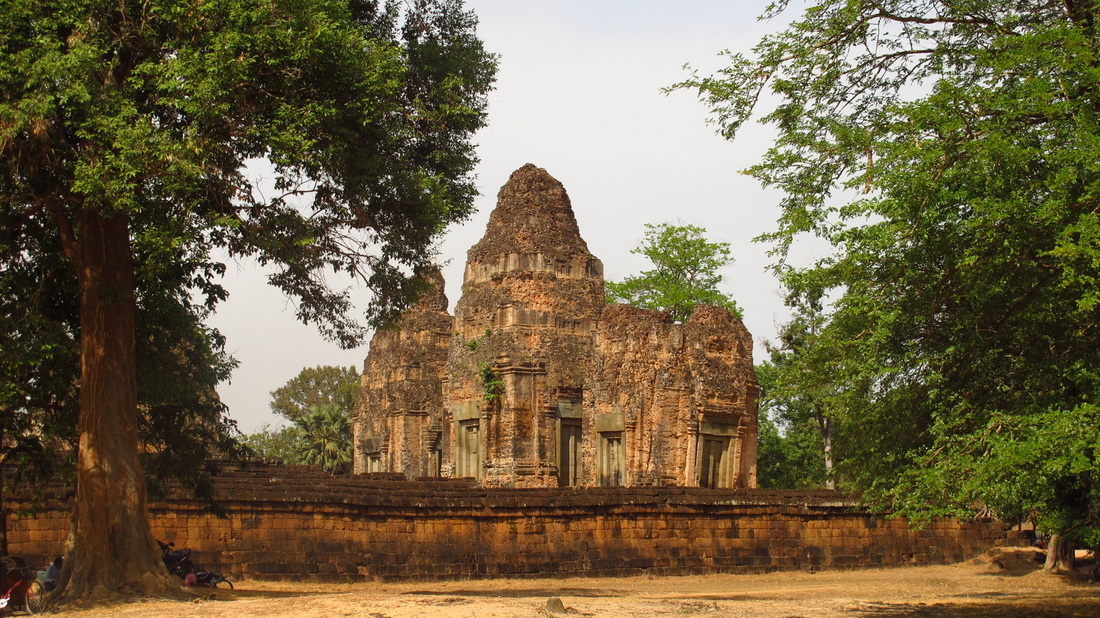
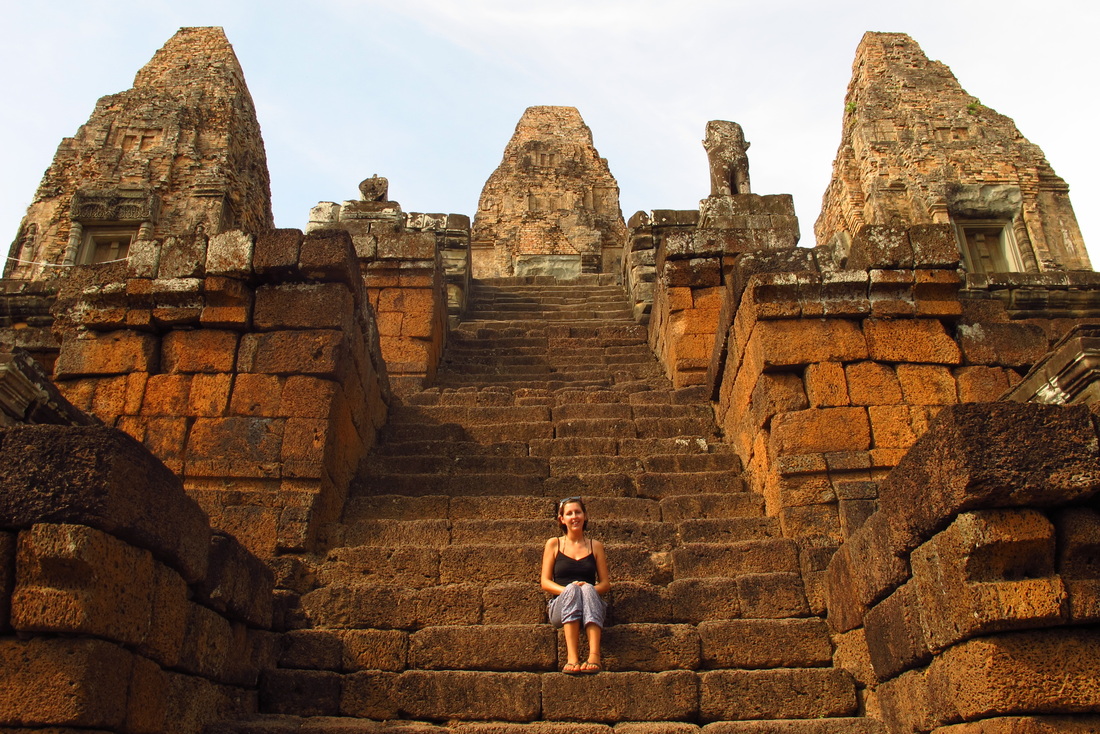
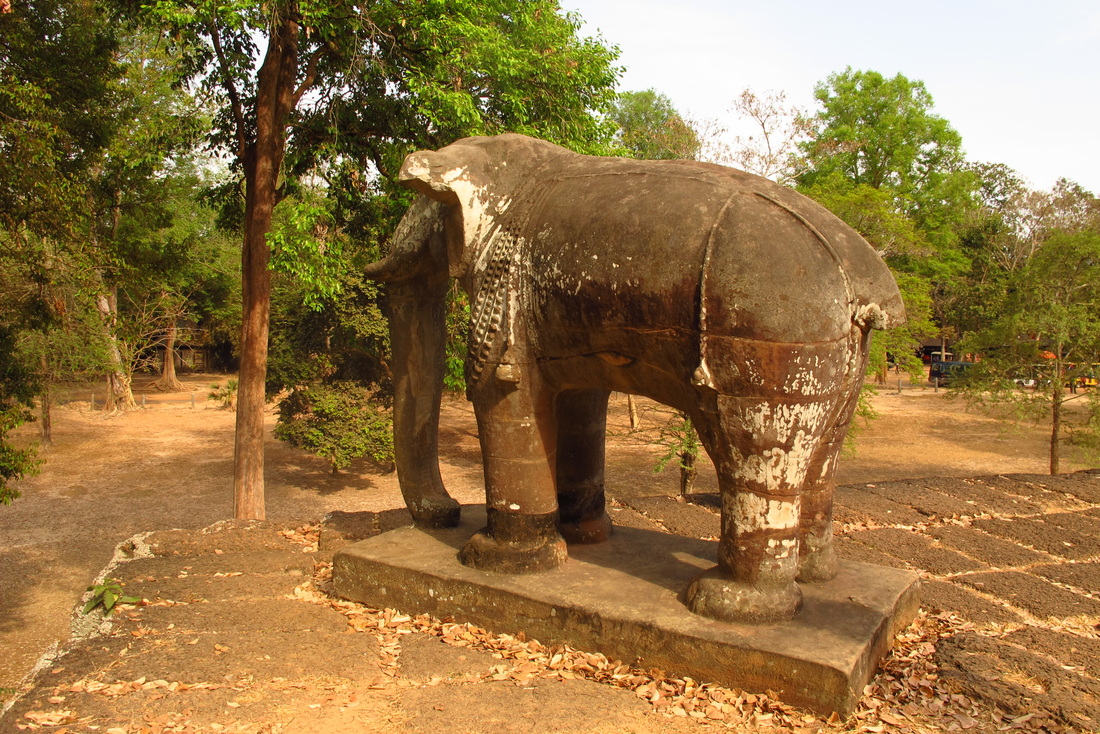
Another beauty…sadly I know next to nothing about this one as there wasn’t really any information available at the actual ruin and I couldn’t find much to help me on the internet…I thought it was pretty brilliant nevertheless. Walking up it was fairly scary as there are no hand rails to stop you from falling! I ended up shuffling down on my bum as i didn’t want to fall.

Preah Khan
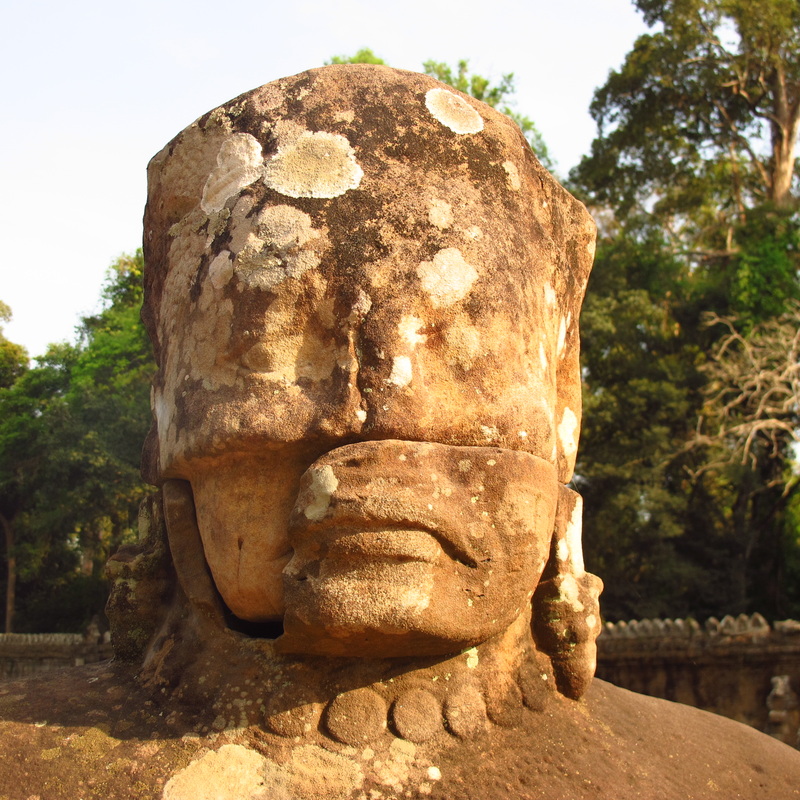
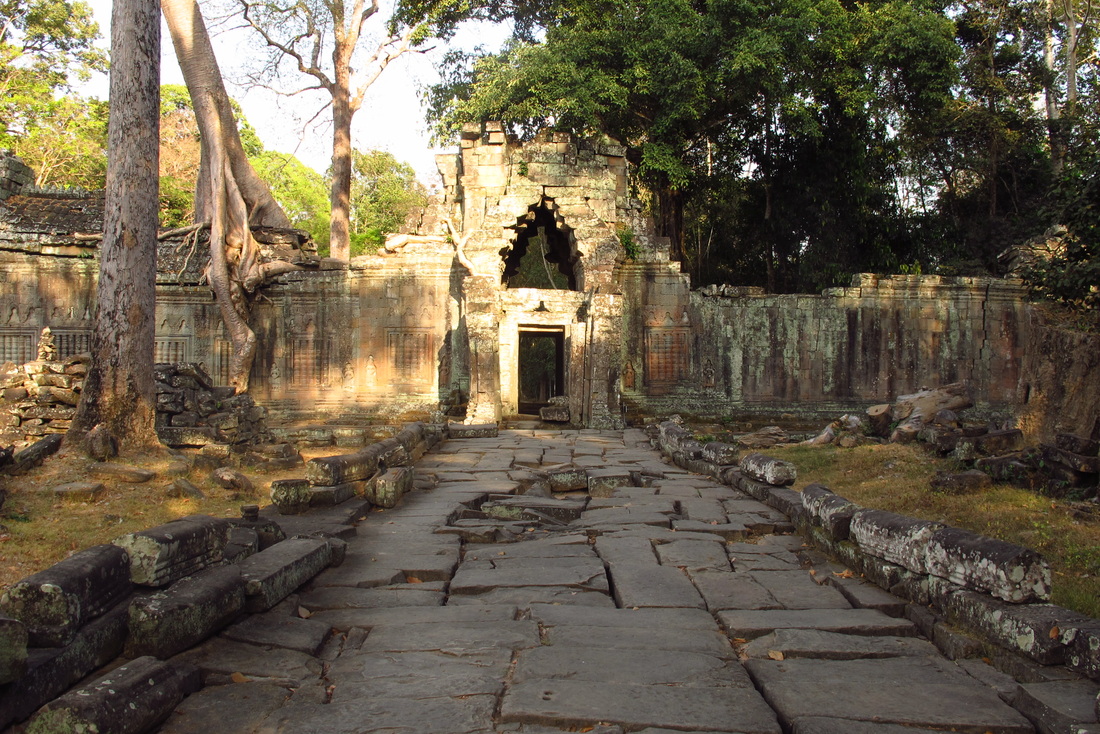
Preah Khan is a temple built in the 12th century for King Jayavarman VII. It is located northeast of Angkor Thom and would have housed a large amount of people inside its walls, estimated at 100,000. Like the nearby Ta Prohm, Preah Khan has been left largely unrestored, with numerous trees and other vegetation growing among the ruins.
This was my favourite ruin, as it was vast and photogenic. I could easily have walked around it all day!


 Powered By Fondant Fancy